Does anyone wonder what FPD-Link is? It’s a video transmission interface that simplifies the transfer of high-definition video and audio signals, especially in complex systems like automotive and industrial equipment.
As an Embedded Systems Developer, I often get asked about how FPD-Link works and why it’s used in so many applications.
No need to stress—this technology is more straightforward than it might initially seem.
In this guide, we’ll break down the basics of FPD-Link, how it functions, and where it’s applied. By the end, you’ll have a solid understanding of why it’s so valuable in high-speed data transmission.
Let’s jump right in!
1. What Is FPD Link?
FPD-Link is a high-speed communication interface that transfers video, audio, and control data over a single cable. It’s widely used to simplify connections and reduce wiring complexity in various electronic systems, making it ideal for transmitting clear, high-definition signals.
As a camera module manufacturer, Supertek integrates FPD-Link technology into our products to support automotive and industrial applications where reliability is critical. FPD-Link allows cameras, displays, and sensors to communicate quickly and effectively, even in environments with significant electronic interference, making it a practical choice for systems needing stable, high-quality video feeds.
2. How FPD-Link Works
FPD-Link operates by transmitting data using high-speed serial communication over a single coaxial or twisted pair cable. It combines video, audio, and control signals into one stream, reducing the need for multiple wires and connectors. This streamlined design significantly cuts down on interference and signal loss, especially in environments where space and reliability matter.
For example, in a machine with multiple cameras, FPD-Link can connect all the cameras to a central processing unit using just one cable for each connection. This setup not only simplifies installation but also helps maintain clear video quality, even in noisy industrial settings.

3. Benefits of FPD-Link
FPD-Link offers numerous advantages for industries that require reliable and efficient data transmission. Below are the primary benefits that make it a preferred choice in many applications:
Reduced Cable Complexity
FPD-Link transmits video, audio, and control signals through a single cable, which significantly cuts down on wiring needs. This simplifies installation, especially in machines with limited space. By using fewer cables, it also minimizes potential points of failure, resulting in lower maintenance needs over time.
High-Quality Signal Transmission
The technology is designed to transmit high-definition video and audio with minimal interference. It maintains signal integrity even over longer distances, making it ideal for equipment that operates in environments with electrical noise. This capability ensures that video feeds remain clear and stable, which is crucial for precision applications.
Cost-Effective Setup
By consolidating multiple signal types into one cable, FPD-Link reduces the overall cost of wiring and connectors. This efficiency translates into lower installation and material expenses. It’s an ideal solution for businesses looking to optimize their operations without compromising on performance.
Scalability and Flexibility
FPD-Link supports various data rates, allowing it to be easily scaled to meet the needs of different systems. Whether it’s connecting a single camera or multiple sensors, this technology can handle varying bandwidth demands. This flexibility is especially useful for expanding or upgrading existing machinery without requiring extensive rewiring.
4. Versions and Generations of FPD-Link
FPD-Link has evolved through various versions to meet the growing demands of data transmission. Here are the key versions and generations that define its development:
FPD-Link I
The first generation, FPD-Link I, was designed to simplify video data transmission by using a single cable to carry both video and control signals. It supports moderate data rates, making it suitable for early automotive camera systems. This version laid the groundwork for reducing wiring complexity in vehicles.
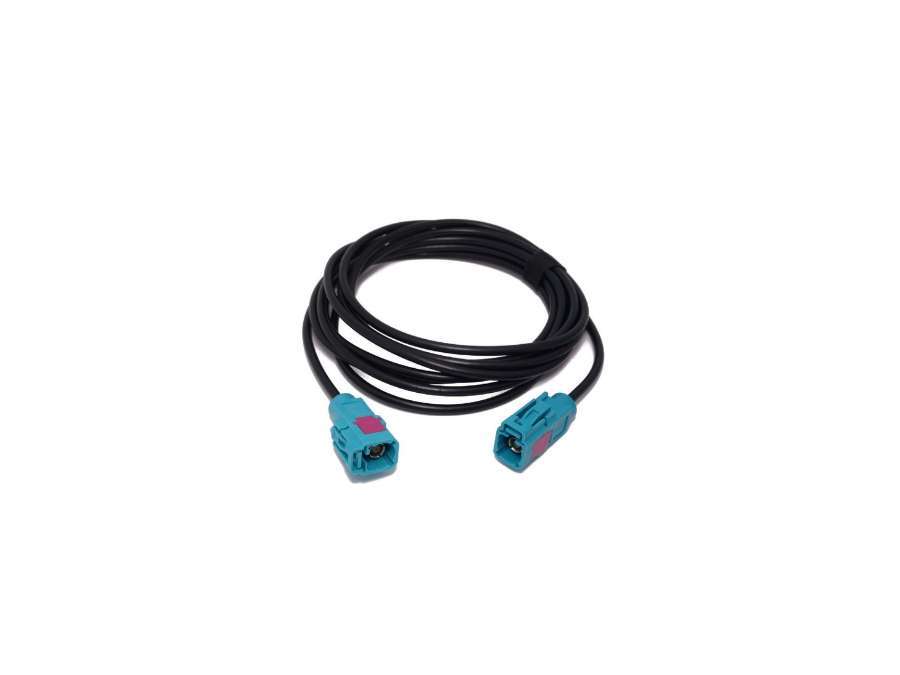
FPD-Link II
FPD-Link II introduced advancements to handle higher resolutions and data rates. It integrated bidirectional communication, allowing devices to send control signals back to the source. This generation became popular in systems requiring more bandwidth, such as infotainment displays and backup cameras in modern vehicles.

FPD-Link III
With the rise of advanced driver assistance systems (ADAS), FPD-Link III was developed to support even higher data rates and greater distances. It delivers robust, high-definition video with low latency, crucial for real-time applications like 360-degree camera views and sensor fusion. It also added features like power over a single coaxial cable, simplifying installations further.
FPD-Link IV
The latest generation, FPD-Link IV, supports ultra-high-definition video and multiple gigabit data rates. It’s optimized for the most demanding applications, such as autonomous driving systems and complex machinery. This version provides higher efficiency, longer reach, and improved noise immunity, making it the top choice for high-performance equipment.

5. Applications of FPD-Link Technology
FPD-Link technology is widely utilized across various industries to enhance communication between components. Here are some key applications where FPD-Link plays a crucial role:
Automotive Camera Systems
FPD-Link connects vehicle cameras for rearview, surround-view, and lane-keeping systems, delivering real-time high-definition video in harsh conditions to enhance driver safety. As demand for these solutions increases, the flat panel detector market is set to grow from $0.99 billion to $1.34 billion by 2032 according to Market Research Future. This highlights the growing need for reliable video transmission in automotive sectors.

Industrial Robotics
In automated manufacturing environments, FPD-Link helps connect cameras and sensors to central controllers. This enables machines to monitor production lines, detect defects, and adjust processes on the fly. The high-speed data transfer capability ensures that the control systems receive accurate inputs to optimize efficiency.

Heavy Machinery Displays
FPD-Link is used in heavy equipment like excavators and cranes to link onboard displays with control units. This allows operators to view real-time data and video feeds from external cameras, improving visibility and control in complex work environments. The robust data transmission keeps the visuals clear, even with constant machine vibrations.

Medical Imaging Equipment
In healthcare, FPD-Link is integrated into medical imaging systems like X-ray machines and ultrasound devices. It enables the transfer of high-resolution images from sensors to monitors without signal degradation. This reliable connection is crucial for providing clear diagnostic images that healthcare professionals rely on for patient care.

Aerospace and Defense Systems
In aerospace and defense, FPD-Link enables secure and fast transmission of video and sensor data across various onboard systems. Its reliability over long distances and in challenging environments makes it well-suited for aircraft and military vehicles, where communication needs to be both stable and swift.

6. Comparison with Other Video Transmission Protocols
When it comes to video transmission, different protocols are used based on application requirements. Below are comparisons between FPD-Link and other common video transmission protocols to highlight their strengths and limitations:
| Feature | FPD-Link | HDMI | Ethernet AVB | MIPI CSI-2 |
| Cable Complexity | Single coaxial or twisted pair | Multiple cables for audio/video | Uses standard Ethernet cables | Requires dedicated ribbon cables |
| Signal Quality | High definition over long distance | High definition, limited by cable length | High-quality, but can have latency | High resolution over short distances |
| Control Signals | Integrated control signals | Limited control capabilities | Supports control data | No built-in control capabilities |
| Use Case | Automotive, industrial, medical | Consumer electronics | AV networks, broadcast | Mobile cameras, tablets |
| Data Rate | Up to 16 Gbps | Up to 48 Gbps | Up to 1 Gbps | Up to 4.5 Gbps |
| Scalability | Easily scales with system needs | Limited scalability | Scales with network infrastructure | Best for small-scale applications |
| Interference Handling | Excellent | Moderate | Good, but depends on network setup | Susceptible to noise |
7. Challenges and Limitations of FPD-Link
While FPD-Link offers many advantages, it also has its share of challenges and limitations. Here are the main drawbacks to consider:
High Initial Cost
Implementing FPD-Link can be costly, especially for smaller setups. The specialized components, connectors, and cables required can drive up the upfront investment. For businesses with tighter budgets, this can be a barrier to adoption, particularly if they are not yet operating at scale.
Cable Length Restrictions
FPD-Link is effective for high-speed data transmission, but its performance decreases over longer distances. Beyond certain lengths, signal degradation can occur, making it less suitable for very large systems that require extensive cabling.
Specialized Cabling Requirements
FPD-Link often requires specific coaxial or twisted-pair cables that may not be as universally available or flexible as standard cables. This can make sourcing and replacing cables more complex, which may add to maintenance considerations for those managing equipment inventory.
Interference in Harsh Environments
Although FPD-Link is designed to handle interference, it may still face challenges in extremely noisy industrial environments. Heavy electromagnetic interference (EMI) can impact signal integrity, which might require additional shielding or filtering to maintain clear communication.
Specialized Expertise Required
FPD-Link systems often require skilled technicians for setup and troubleshooting. Not every repair shop or rental company has in-house experts familiar with this technology. This need for specialized knowledge can lead to delays in deployment and increased training costs for staff.
8. 4 Tips for Choosing the Right FPD-Link Solution
Selecting the right FPD-Link solution can make a significant difference in optimizing your system’s performance. Here are some practical tips to guide your decision:
#1 Bandwidth Requirements
Before choosing an FPD-Link solution, determine the data rate and resolution needed for your application. Higher resolutions like 4K or 8K require more bandwidth, so ensure that the chosen FPD-Link version supports your data needs without compromising signal integrity.
#2 Distance of Transmission
Evaluate the cable length required for your setup, as higher resolutions may impact effective cable distances. For large equipment setups or extensive installations, confirm that the chosen FPD-Link version supports the distance without sacrificing signal quality.
#3 Environmental Conditions
If your equipment operates in a high-noise or rugged environment, choose an FPD-Link solution that’s known for excellent interference resistance and durability. For example, versions like FPD-Link III are designed to handle challenging industrial conditions, making them ideal for machinery-heavy applications.
#4 Future Scalability
Choose a solution that allows for easy expansion. If you anticipate adding more cameras, sensors, or other equipment in the future, opt for FPD-Link versions that support higher data rates and additional features. This flexibility can save you time and costs as your operations grow.
Conclusion
FPD-Link technology simplifies data transmission by combining video, audio, and control signals into a single, efficient system. It’s widely used in industries that need reliable, high-quality video feeds, making it a practical choice for optimizing performance and reducing complexity.
We hope this guide helps you better understand the benefits and applications of FPD-Link in your operations. If you’re looking for a reliable camera module supplier that leverages FPD-Link technology, Supertek has you covered. We know inconsistent quality can be a hassle, so we build our products to strict ISO standards with the same components as our samples to ensure consistent performance. Contact us today to learn more.
Dive Deeper Into Our Resources
Looking for more diverse service options? Browse through our handpicked selections:
Still haven’t found what you’re looking for? Don’t hesitate to contact us. We’re available around the clock to assist you.