What is a camera module? A camera module is a compact device that combines a camera lens and sensor, allowing electronic devices to capture images or videos.
As an expert in camera technology, I am asked by our customers about the roles of camera modules. They want to understand how these components fit into their products.
Rest assured, we’re here to make it easy for you to understand the basics!
In this guide, we’ll explore how a camera module works. You will also learn its different types and what makes each unique for specific applications.
So let’s get down to it!
1. What Is a Camera Module?
A camera module is a small device that allows electronic products to capture images or videos. It combines a lens, an image sensor, and additional parts like a processor to create a compact imaging solution. According to iMarc Group, the camera module market is exhibiting a strong growth rate (CAGR) of 7.19%, reflecting its increasing importance across devices, from smartphones to industrial equipment.
In technical terms, the module works by converting light into digital signals, which are then processed to create a photo or video. This allows manufacturers to add imaging capabilities to various devices without needing a full-sized camera. At Supertek, we specialize in designing and manufacturing camera modules to meet the diverse needs of industries.
2. Core Components of a Camera Module
A camera module has several key parts that work together to capture images and video. Each component plays a unique role in turning light into clear, usable visual information. Here’s a look at the core parts that make up a typical camera module:
Lens
The lens is responsible for directing light onto the image sensor. It determines the field of view and focus of the image. Lenses come in various types, such as fixed-focus or autofocus, and the choice affects the module’s clarity and application range. The quality of the lens is crucial for producing sharp images.
Image Sensor
The image sensor is the part of the module that converts light into electrical signals. These signals are then processed to create a digital image. 2 common types of sensors used in camera modules are CMOS (Complementary Metal-Oxide Semiconductor) and CCD (Charge-Coupled Device), with CMOS being widely used in modern applications due to its lower power needs.
Processor
The processor, sometimes called the image signal processor (ISP), manages data from the image sensor. It adjusts brightness, color, and contrast to create a final image or video that meets quality standards. The processor is important for modules used in industries requiring high-quality images, like medical devices or industrial machinery.
Infrared (IR) Filter
The infrared filter blocks out unwanted IR light, which can distort colors and lower image quality. Without this filter, images might appear washed out or have inaccurate colors, especially in bright environments. The IR filter helps maintain accurate and natural-looking colors in the final image.
Flex Cable and Connector
The flex cable and connector are the links between the camera module and the main device. They transmit data and power to the module, allowing it to function as part of a larger system. These parts must be durable and compatible with the device to keep the module working reliably over time.
3. Types of Camera Modules
Camera modules come in different types, each designed to fit specific applications and needs. Depending on the intended use, some modules are better suited for high-speed data transfer. Here’s a look at the main types of camera modules available today:
USB Camera Modules
USB camera modules are widely used because they connect easily with computers and other USB-enabled devices. Supertek ‘s camera modules are ideal for applications like webcams, security cameras, and inspection devices, where reliability and ease of use are essential. These modules are plug-and-play, making them convenient for applications that require quick and easy setup.

MIPI Camera Modules
MIPI (Mobile Industry Processor Interface) camera modules are often used in smartphones and tablets. They allow high-speed data transfer between the camera and the device, making them ideal for applications where high-quality imaging and speed are essential. MIPI modules are compact, making them a popular choice for space-constrained designs.

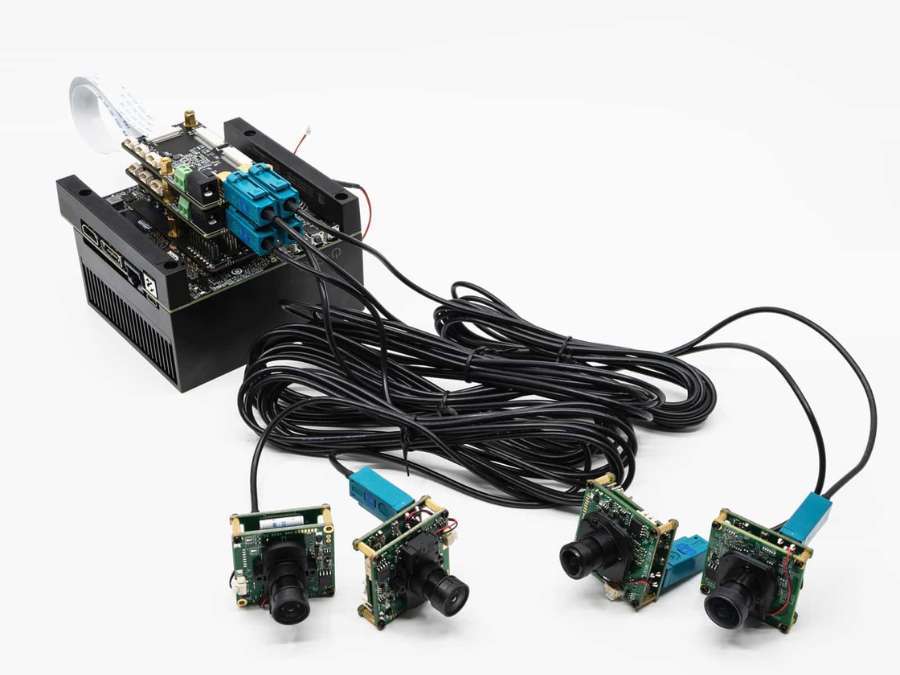
GMSL Camera Modules
GMSL (Gigabit Multimedia Serial Link) camera modules are designed for high-speed and long-distance data transmission. These modules are commonly used in automotive and industrial applications where real-time video is crucial. GMSL technology allows the camera to send high-definition images even over long cable runs, which is essential in vehicles and factory equipment.

FPD-Link Camera Modules
FPD-Link (Flat Panel Display Link) camera modules are also used for high-speed video transmission over long distances, similar to GMSL. FPD-Link modules are a popular choice for automotive and machine vision applications, where image clarity and reliability are essential. These modules provide a stable connection, making them a dependable option for demanding environments.
4. Applications of Camera Modules Across Industries
Camera modules are used in a wide range of industries to support functions from security to automation. Each industry leverages the capabilities of camera modules in unique ways. Here are some of the key industries where camera modules are essential:
Automotive
In the automotive industry, camera modules are crucial for driver assistance systems, parking assistance, and even autonomous driving. They help detect objects, read traffic signs, and enhance overall safety. Modern vehicles rely on these modules for features like lane departure warnings and collision avoidance.

Healthcare
Healthcare applications use camera modules in medical imaging, diagnostics, and surgical assistance. For instance, endoscopes and other imaging devices use camera modules to capture internal views of the body, aiding in accurate diagnoses. These modules provide high-definition images, allowing doctors to see detailed visuals in real time.

Industrial Automation
In industrial settings, camera modules support automation by capturing images that help machines “see” and make decisions. For example, they’re used for quality control, object recognition, and process monitoring on production lines. High-speed, reliable imaging in these modules allows factories to maintain quality and efficiency.

5. Challenges in Camera Module Design and Manufacturing
Creating a camera module that meets the diverse needs of industries is a complex process with several challenges. Each stage of design and manufacturing requires balancing performance, cost, and reliability. Below is a table outlining the key challenges and how they impact the process:
| Challenge | Description | Solution |
| Miniaturization | Fitting all components into a small space without compromising quality is difficult for compact devices like smartphones. | Use advanced fabrication techniques like micro-assembly and compact sensor-lens designs. |
| Image Quality | Achieving clear, detailed images involves optimizing sensors, lenses, and processing algorithms. External factors like lighting conditions can make maintaining consistency more challenging. | Implement high-resolution sensors and AI-based image processing for consistent output. |
| Thermal Management | Camera modules can overheat during prolonged use or high-resolution recording. Solutions like heat sinks or active cooling systems are required to prevent performance degradation. | Incorporate thermal management solutions like heat sinks, thermal pads, or active cooling. |
| Cost Efficiency | Balancing high-quality components with production costs is critical for competitive pricing. Bulk manufacturing can reduce costs but increases the need for strict quality control. | Leverage economies of scale and automation to reduce costs while maintaining quality. |
| Connectivity Integration | Choosing and integrating the right connection type (e.g., USB, MIPI) requires compatibility with other device systems. This adds complexity to the design process, especially for custom applications. | Design flexible PCBs and modular connectors to improve integration with varied systems. |
| Durability | Modules need to withstand environmental factors like temperature changes, vibrations, and dust. Testing and selecting materials that offer resilience without adding bulk is essential. | Use durable materials like reinforced plastics and conduct rigorous environmental testing. |
| Low-Light Performance | Enhancing sensor sensitivity for dim lighting conditions requires specialized components and software. This is critical for applications like surveillance or automotive use at night. | Develop low-light sensors and integrate infrared (IR) capabilities for better night performance. |
| Mass Production Challenges | Scaling production while maintaining uniform quality across thousands of units is complex. Even small defects can impact performance, making advanced inspection systems necessary. | Use automated optical inspection (AOI) systems to identify defects during manufacturing. |
Overcoming these challenges is essential for creating high-quality camera modules that meet the demands of modern applications. Each challenge requires innovative solutions and careful attention to detail. By addressing these issues effectively, manufacturers can deliver reliable, efficient, and versatile camera modules to support diverse industries.
6. Future Trends in Camera Module Technology
As technology advances, camera modules are evolving to meet new demands and open possibilities across various industries. Here’s a look at some of the exciting trends shaping the future of camera module technology:
Higher Resolution
Manufacturers are developing sensors with more megapixels and improved color accuracy to deliver clearer, more detailed images. This trend is crucial for industries like healthcare and automotive, where sharp visuals are essential for accurate decision-making.
AI and Machine Learning Integration
Artificial intelligence (AI) and machine learning (ML) are making camera modules smarter, allowing them to process and analyze images directly. This technology enables features like facial recognition, object tracking, and real-time image adjustments.
Improved Low-Light Performance
Low-light performance is a growing focus, especially for applications in surveillance and automotive. Camera modules are equipped with sensors and processing technology that capture clear images in low-light conditions without extra lighting. This advancement is essential for reliable performance in challenging environments, such as nighttime driving or dimly lit areas.
7. 3 Tips for Choosing the Right Camera Module for Your Application
Selecting the best camera module can make a big difference in your project’s success, especially when it needs to perform specific tasks accurately. With a variety of options available, here’s a guide to help you understand what to consider.
#1 1080p Image Quality
For applications that require clear visuals, a 1080p resolution module is a solid choice. This resolution is ideal for monitoring, general surveillance, or video conferencing, where detail is important but ultra-high definition isn’t required. With 1080p, you get a good balance of image clarity and reasonable data storage needs.
#2 Telephoto Lens Type
A telephoto lens is best for applications needing close-up detail from a distance, like wildlife monitoring or surveillance from afar. This type of lens focuses on distant subjects, providing clear, magnified images. Telephoto lenses are useful in scenarios where capturing fine detail at long ranges is critical.
#3 USB 3.0 Connectivity
For high-speed data transfer, especially for real-time monitoring, USB 3.0 connectivity offers excellent performance. This type of connection is ideal for devices that need to send large amounts of data quickly, such as industrial inspection systems. USB 3.0 also allows plug-and-play functionality, making it easy to integrate.
Conclusion
Understanding the camera module is key to appreciating the technology behind many everyday devices. As we’ve explored, camera modules come in various types and are designed for specific applications across industries. By knowing the selection criteria, you can make informed choices that best fit your needs.
In conclusion, this guide has provided a clear understanding of what camera modules are. While high prices can often be a challenge in this industry, Supertek offers an affordable solution with low customization costs and free samples to support your specific applications. Contact us to see how our camera modules can enhance your products without breaking your budget.
Dive Deeper Into Our Resources
Looking for more diverse service options? Browse through our handpicked selections:
Still haven’t found what you’re looking for? Don’t hesitate to contact us. We’re available around the clock to assist you.