Who made the camera? The first practical camera was created by Joseph Nicéphore Niépce in the 1820s, marking the beginning of modern photography.
As someone deeply involved in the camera industry, I frequently encounter questions about where the camera came from and how it developed over time.
Don’t worry; I’m here to break it all down for you with a simple overview.
In this guide, we’ll walk through the invention of the camera, starting with its earliest forms and following the timeline of key milestones. You’ll also learn about the inventors who played crucial roles in its development and how their innovations led to the advanced cameras we use today.
So let’s get started!
1. The Invention of the Camera
The invention of the camera started as a simple idea: capturing images. Early scientists and inventors were fascinated by the “camera obscura,” a device that projected an image onto a surface through a small hole. This concept, known since ancient times, set the foundation for photography by showing how light could create an image.
Early cameras were large and complex, taking hours to produce a single image. This breakthrough inspired inventors to refine the process, making cameras faster and more accessible. Today, companies like Supertek, a leading camera module manufacturer, continue to drive advancements, transforming cameras into essential tools across various industries.
2. Timeline of the First Camera’s Invention
The journey to invent the first camera took centuries, with various inventors contributing key advancements along the way. Here’s a quick timeline highlighting the major milestones that shaped the camera’s early development:
- 5th Century BCE: The concept of the camera obscura, a simple optical device, is first described in China.
- 1021: Arab scientist Alhazen further studies and documents the camera obscura in detail.
- 1826-1827: Joseph Nicéphore Niépce creates the first known photograph using a camera obscura and a light-sensitive surface.
- 1839: Louis Daguerre invents the daguerreotype, the first publicly available photographic process.
- 1888: George Eastman introduces the Kodak camera, making photography accessible to the general public.
- 1900s: Advancements in film and camera technology lead to more compact and efficient cameras, setting the stage for the modern era.
3. Who Invented the First Camera?
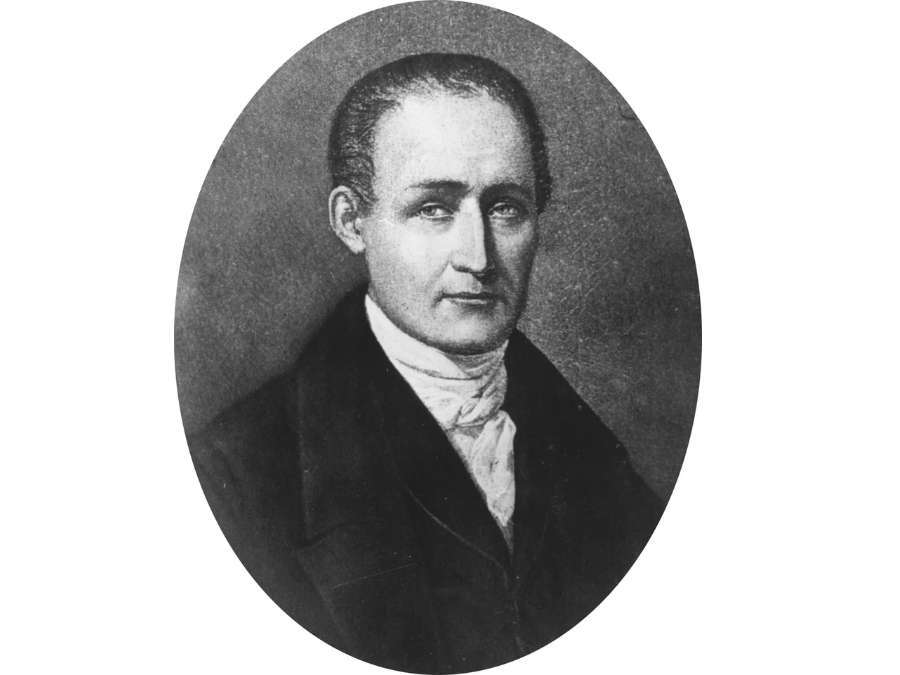
- Inventor: Joseph Nicéphore Niépce
- Year: 1826-1827
- Nationality: French
- Profession: Inventor and Scientist
- Major Achievement: Captured the first permanent photograph
- Method Used: Camera obscura with a coated pewter plate
- Photography Process: Known as “heliography” (sun drawing) due to its light-sensitive materials
Joseph Nicéphore Niépce developed the first practical camera in the 1820s, marking the start of photography. Using a camera obscura, he captured an image on a metal plate coated with light-sensitive chemicals. This photograph, created over several hours, was a major achievement that inspired further innovations in the field of photography.
4. Other Key Innovators in the Development of Cameras
While Niépce made the first permanent photograph, other inventors contributed significantly to the evolution of camera technology. Their innovations made photography faster, more practical, and widely accessible. Here are some of the key innovators who played major roles in this journey:
Louis Daguerre
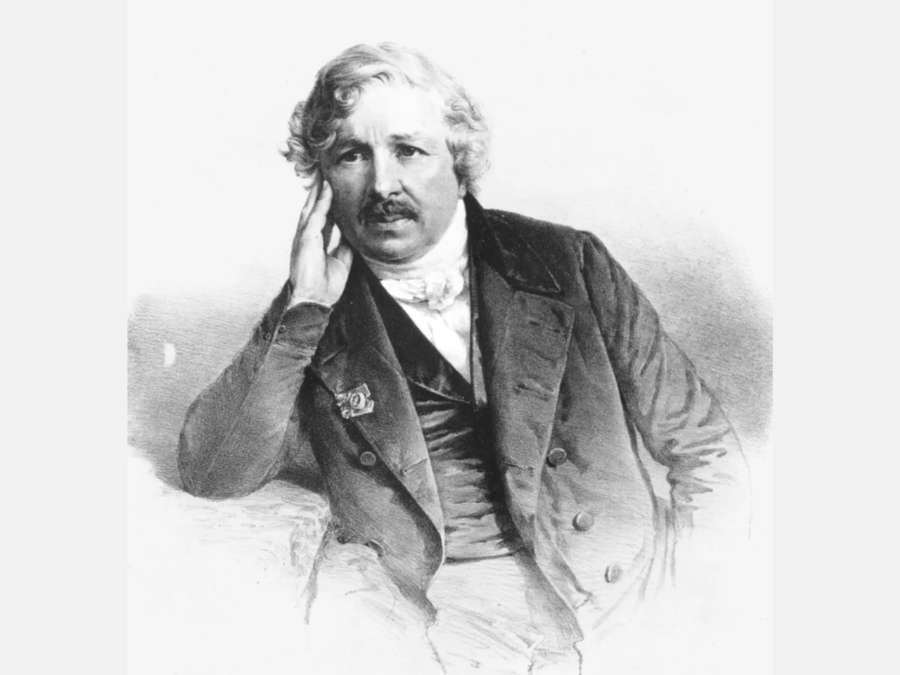
Louis Daguerre, a French artist and inventor, created the daguerreotype in 1839, the first commercial photography process. This method allowed sharper images and shorter exposure times, making it a popular choice in the early photography world. His work opened up photography to the public, setting a foundation for more accessible photo technology.
George Eastman
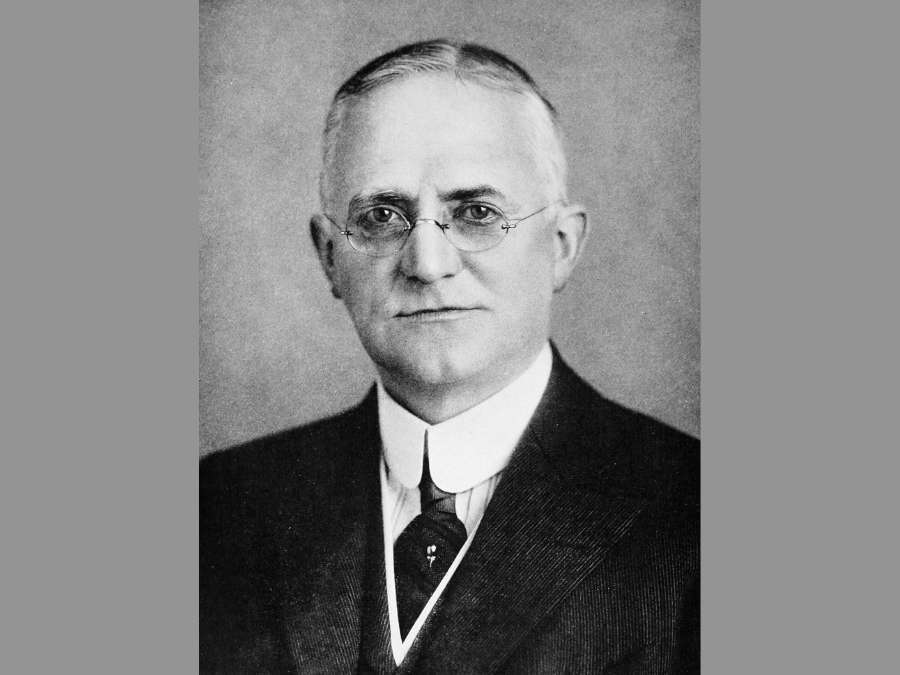
George Eastman revolutionized photography in 1888 by inventing the Kodak camera, designed for everyday users. His camera came preloaded with film, making it easier for people to take and develop photos without special skills. Eastman’s inventions paved the way for portable cameras, allowing photography to grow as a hobby and profession.
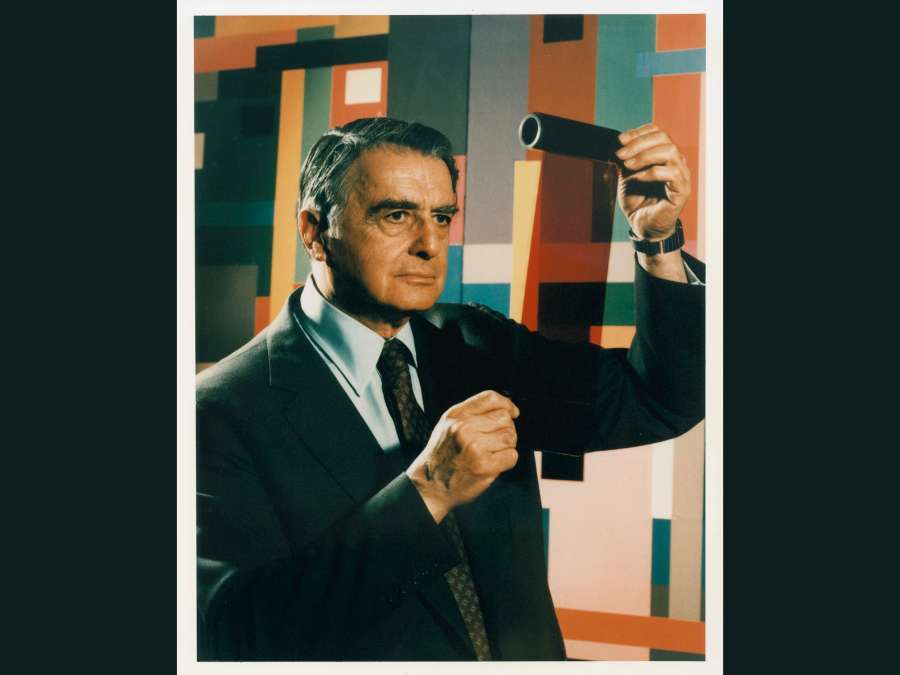
Edwin Land
Edwin Land, an American inventor, introduced the Polaroid camera in the 1940s, allowing users to take instant photos that developed in minutes. His innovation became especially popular in the consumer market, offering immediate results without needing a photo lab. Land’s Polaroid was a big leap toward the convenience we associate with photography today.
5. The Evolution to Modern Cameras
Cameras have transformed drastically from their early beginnings to the digital devices we use today. Each era brought advancements, making cameras smaller, faster, and more powerful. Here are some major stages in the journey to modern cameras:
| Era | Key Development | Description |
| 1820s | First Permanent Photograph | Joseph Niépce captures the first permanent photo using a light-sensitive plate and a camera obscura. |
| 1839 | Daguerreotype | Louis Daguerre invents the first publicly accessible photo process using silver-plated copper. |
| 1888 | Kodak Camera | George Eastman introduces roll film and the Kodak camera, making photography accessible to the public. |
| 1920s-30s | 35mm Film and Compact Cameras | 35mm film becomes standard, leading to smaller and more versatile cameras. |
| 1947 | Polaroid Instant Camera | Edwin Land invents the first instant camera, allowing photos to develop within minutes. |
| 1960s-70s | SLR Cameras | Single-lens reflex (SLR) cameras with interchangeable lenses become popular with professionals. |
| 1980s-90s | Digital Camera Prototypes | Early digital cameras emerge, using electronic sensors instead of film to capture images. |
| 2000s | Consumer Digital Cameras and DSLRs | Digital cameras become affordable for consumers, with high-quality images and convenient storage. |
| 2010s | Mirrorless Cameras and Smartphones | Mirrorless cameras provide professional-grade quality in compact designs, while smartphones bring photography to everyday users. |
| 2020s | AI and Computational Photography | Cameras integrate AI to enhance image quality and offer new features like scene detection. |
Conclusion
The invention of the camera is a fascinating story, marked by groundbreaking discoveries and incredible innovation. From early experiments to the technology we use today, the journey of the camera reveals the imagination of its creators. Understanding this history helps us appreciate how far camera technology has come.
We hope this guide gives you a clear look into the evolution of the camera and the key figures who made it possible. This article aims to support your decision-making with reliable, concise insights. If you’re seeking a partner with competitive pricing and efficient customization, contact us at Supertek. Our team is ready to provide fast quotations and flexible order options tailored to your needs.
Explore More Helpful Resources
For some insightful reads, we’ve curated a list of recommended articles just for you:
Still haven’t found what you’re looking for? Don’t hesitate to contact us. We’re available around the clock to assist you.