Are you wondering what a CMOS Camera is? A CMOS camera is a type of digital camera that uses a CMOS (Complementary Metal-Oxide-Semiconductor) sensor for capturing images.
As an expert in camera technology, I am frequently asked by our clients about the specifics and advantages of CMOS cameras.
Don’t worry—understanding CMOS cameras is simpler than it sounds!
In this guide, we’ll cover the basics of CMOS technology and how it works. We will also explore the advantages it brings to various industries.
Keep reading to learn more!
1. What Is a CMOS Camera?
A CMOS camera is a digital camera that uses a CMOS (Complementary Metal-Oxide-Semiconductor) sensor to capture images. These sensors are widely used in digital cameras and smartphones because they are affordable and efficient. These cameras allow instant image processing by converting light into electronic signals.
At Supertek, we specialize in designing and manufacturing CMOS camera modules tailored for a variety of applications, from security to industrial uses. With advancements in technology, CMOS cameras deliver impressive image quality, making them a trusted choice for professionals across different industries.
2. How CMOS Cameras Work
CMOS cameras work by using a special sensor called a CMOS sensor to capture light and convert it into digital data. When light enters the camera, it hits the CMOS sensor, which is made up of millions of tiny pixels. Each pixel detects the amount of light and then converts it into an electrical signal that represents part of the image.
After capturing the light, the sensor’s electrical signals are processed within the camera to form a complete digital image. This process happens very quickly, allowing CMOS cameras to capture images in real time. Due to this efficient design, CMOS cameras are both fast and energy-saving, ideal for many everyday uses.
3. Core Components of a CMOS Camera
In a CMOS camera, several key components work together to capture and process images effectively. Each part has a specific role, from collecting light to processing it into a clear digital image. Let’s take a closer look at these essential components to understand how they contribute to the camera’s performance:
CMOS Sensor
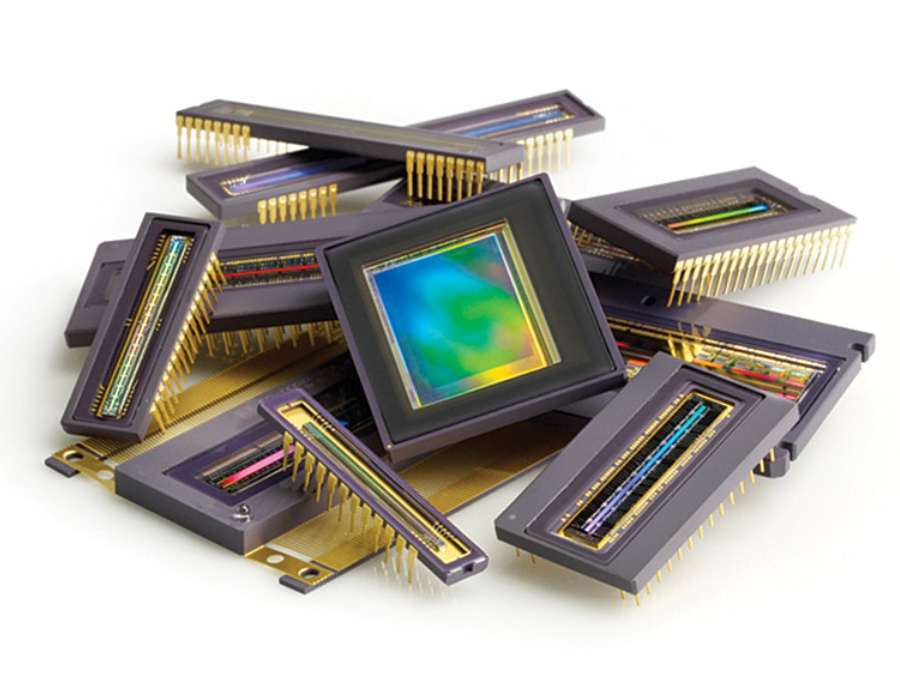
The CMOS sensor is the heart of the camera and is responsible for capturing light. It consists of millions of small pixels that detect light and convert it into an electrical signal. Each pixel works individually to create parts of the full image, making the CMOS sensor an essential component for image quality.

Lens
The lens focuses light onto the CMOS sensor, allowing the camera to capture sharp and clear images. A good lens is crucial for directing the right amount of light onto the sensor, which directly affects the overall image clarity.

Image Processor
The image processor is like the brain of the camera, handling data from the CMOS sensor and turning it into a digital image. At Supertek, we focus on producing powerful image processors that efficiently handle data and reduce noise for high-quality output. This component plays a big role in producing smooth and sharp images, especially in fast-moving scenes where clarity is essential.
Shutter
The shutter controls the amount of time that light reaches the CMOS sensor. When the shutter opens, light enters the camera, and when it closes, the exposure stops. This timing control allows the camera to capture images in various lighting conditions, from bright daylight to dim environments.

Power Supply
The power supply provides the energy needed for the CMOS sensor, image processor, and other components to function. In portable cameras, this is usually a battery, while in industrial setups, it may be a stable power source. A reliable power supply is important for maintaining consistent performance and preventing disruptions in image capturing.
4. Advantages of CMOS Cameras
CMOS cameras have become popular in various industries due to their performance and practical benefits. These cameras offer several key advantages that make them ideal for both professional and industrial use. Here are the main reasons why CMOS cameras are preferred in many applications:
Energy Efficiency
A major advantage of CMOS cameras is their low energy consumption. CMOS sensors require less power than other sensor types, making them ideal for battery-powered devices. This efficiency helps reduce operating costs and is especially valuable for long-term use in remote or portable systems.
High-Speed Performance
CMOS cameras are known for their fast image processing capabilities. They capture and process images quickly, allowing them to handle high-speed tasks efficiently. This advantage is particularly useful for applications in industrial automation or fast-paced environments where quick image capture is essential.
High Resolution and Image Quality
CMOS cameras deliver high-resolution images with impressive detail, especially with the latest technology advancements. They are capable of producing sharp images suitable for precision tasks in fields like medical imaging and security. High-resolution imaging allows businesses to capture fine details, enhancing the effectiveness of their applications.
5. Applications of CMOS Cameras in Various Industries
CMOS cameras are widely used across multiple industries, providing reliable imaging solutions. Their versatility and high-quality imaging make them a popular choice for different businesses. Let’s explore some of the major applications where CMOS cameras play a critical role:
Industrial Automation
In industrial automation, CMOS cameras help monitor production lines and detect quality issues in real time. For example, these cameras are commonly used in inspection systems to capture detailed images that reveal defects or inconsistencies in products. By providing fast and accurate imaging, CMOS cameras contribute to improving product quality and streamlining manufacturing processes.
Medical Imaging
CMOS cameras are essential in medical imaging devices, such as endoscopes and diagnostic tools. According to Grandview Research, the medical imaging market is projected to grow at a CAGR of 4.9%, reflecting the increasing demand for advanced imaging technology. This growth highlights the importance of clear imaging in fields like surgery, where accurate diagnostics are crucial for patient outcomes.
Surveillance and Security
In surveillance and security systems, CMOS cameras offer reliable performance for both indoor and outdoor monitoring. These cameras provide clear footage, making them ideal for identifying individuals or capturing detailed scenes. CMOS cameras are widely used in commercial buildings, banks, and public spaces to enhance security and safety.

6. Comparing CMOS vs. CCD Cameras
When choosing a camera for professional or industrial use, it’s essential to understand the differences between CMOS and CCD (Charge-Coupled Device) cameras. While both sensor types are designed to capture images, each has unique characteristics that make it better suited for specific applications. Let’s break down their key differences in an easy-to-read format:
| Category | CMOS Camera | CCD Camera |
| Power Consumption | Low power usage, making it energy-efficient for long-term use | High power usage, which can lead to more heat generation |
| Image Quality | High resolution and fast processing, suitable for dynamic scenes | Superior image quality with less noise, ideal for high-detail work |
| Cost | More affordable due to lower production costs | Generally more expensive due to complex manufacturing |
| Speed | Faster capture and processing, suitable for high-speed applications | Slower capture and readout times, less ideal for rapid imaging |
| Size and Versatility | Compact design, allowing use in a variety of devices | Typically larger and less adaptable to small or portable setups |
| Light Sensitivity | Generally lower sensitivity, may struggle in very low light | High sensitivity, making it ideal for low-light environments |
| Durability | Durable and can handle rough conditions; ideal for outdoor applications | More fragile and sensitive to environmental factors |
| Manufacturing Complexity | Simpler manufacturing process, contributing to lower cost | Complex manufacturing with multiple steps, leading to higher costs |
To sum up, CMOS cameras are a practical choice for applications where speed, energy efficiency, and cost are important factors. CCD cameras, on the other hand, may be preferred for situations that demand the highest image quality, such as in scientific research. For most modern industrial and commercial uses, CMOS cameras offer the best balance of quality, cost, and flexibility.
7. 4 Factors to Consider When Buying a CMOS Camera
Selecting the right CMOS camera involves evaluating key features that impact performance and suitability for specific applications. Let’s explore some of the important factors to look at when purchasing a CMOS camera:
#1 1600 x 1200 Pixels Resolution
A resolution of 1600 x 1200 pixels allows for high-quality imaging, which is ideal for precision tasks like quality inspection. However, higher resolutions can require more storage and processing power, so it’s crucial to balance detail needs with system capabilities. Determine if this resolution level aligns with both your clarity requirements and storage capacity.
#2 166 fps Frame Rate
High frame rates are ideal for capturing fast-moving objects without blur, making them a good choice for industrial automation or robotics. However, faster frame rates increase data output, so your system should be equipped to handle this. Evaluate the activity speed in your application to choose a frame rate that provides smooth, accurate imaging.
#3 Low-Light Sensitivity of 0.1 Lux
This level of sensitivity allows for clear images in low-light settings, which is beneficial for applications like nighttime surveillance or dimly lit environments. For instance, if consistent lighting isn’t available, choosing a CMOS camera with strong low-light performance will help maintain reliable image quality. Identify the expected lighting to see if this sensitivity level fits.
#4 USB 3.0 Connectivity
USB 3.0 allows for faster data transfer, reducing lag and making it useful for real-time applications where timing is critical. It’s also widely compatible, which makes integration easier in CMOS cameras. For applications requiring smooth, rapid data flow, a fast connection option like USB 3.0 can improve both performance and setup ease.
Conclusion
Understanding what a CMOS camera is and how it works can help you make informed choices for your applications. These cameras offer several benefits, making them suitable for a range of professional uses. With the right CMOS camera, you can achieve reliable performance fitted to specific industry needs.
We hope this guide has highlighted the versatility of CMOS cameras for various applications. However, if you want high-quality camera optimization, Supertek is here to help. We excel in providing optimized hardware selection and operating with well-established factory capabilities, providing high-quality camera modules. Contact us today to discover how our solutions can enhance your imaging applications.
Discover More Options
For some insightful reads, we’ve curated a list of recommended articles just for you:
Still haven’t found what you’re looking for? Don’t hesitate to contact us. We’re available around the clock to assist you.