What is a monochrome camera? Simply put, it’s a camera that captures images in black and white. Monochrome cameras highlight brightness and contrast, making them ideal for capturing fine details without color.
As an Industrial Quality Control Engineer, I often get asked why monochrome cameras are preferred for inspection and quality control. These cameras excel at showing details that color cameras can miss, which is especially useful in technical work.
Don’t worry if this sounds complex, once you understand the basics, it’s easy to see why they’re so valuable.
In this guide, we’ll walk through the key benefits of monochrome cameras, why they’re a top choice for inspection, and how they’re used to enhance quality control in various industries.
Let’s jump right in!
1. What Is a Monochrome Camera?
A monochrome camera captures images in black and white, focusing on the brightness and contrast in a scene. Without color information, it reveals fine details and textures, making it an ideal tool for applications that need precision and clarity.
Monochrome cameras are widely used in fields like quality control, medical imaging, and security. They provide high-resolution images, highlight subtle contrasts, and help identify flaws or changes in materials that color cameras might miss. If you need monochrome cameras, Supertek offers top-quality production and competitive prices to support your goals.
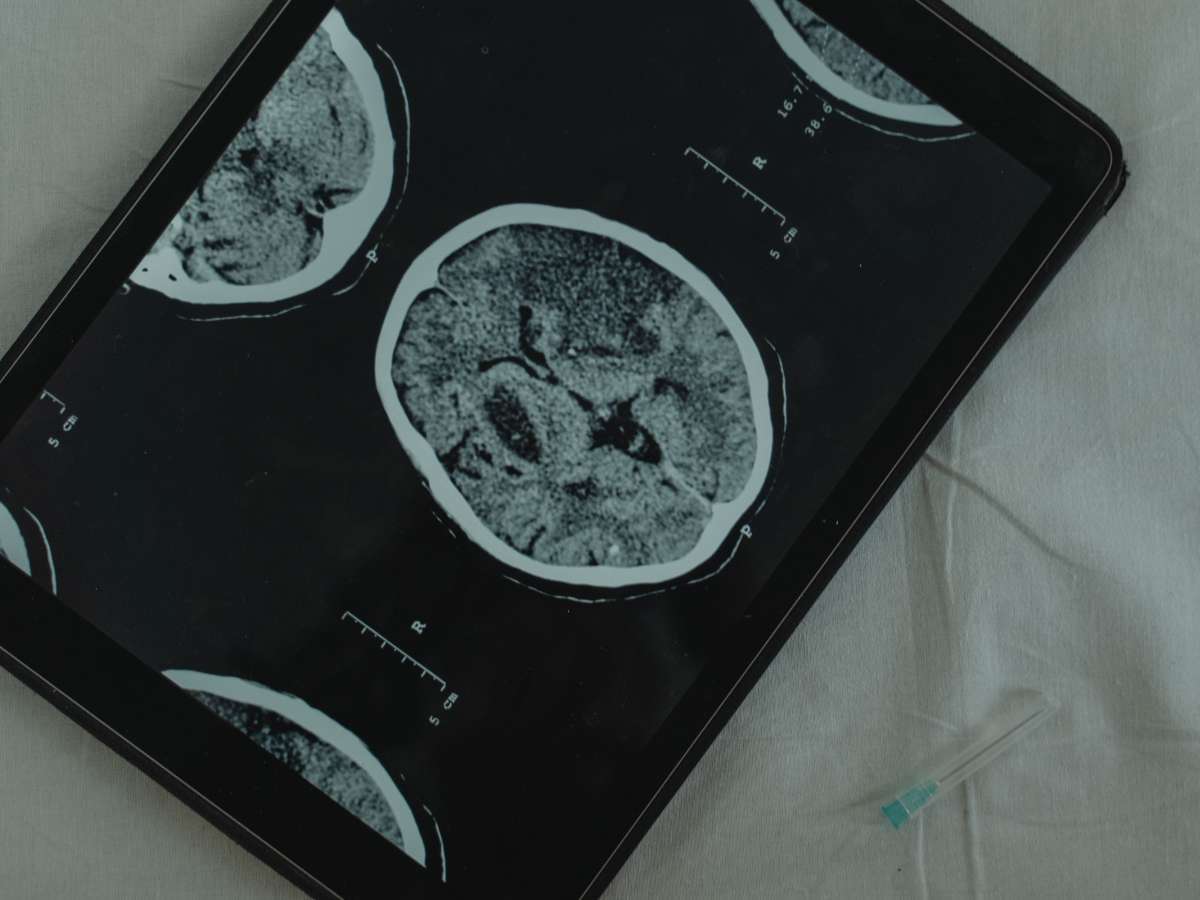
2. How Monochrome Cameras Work
Monochrome cameras capture only brightness levels, not color. Without needing color filters, each pixel directly measures light intensity, giving sharper details and greater sensitivity—especially helpful in low light. As research explains, they also capture images faster, since they don’t require the filtering steps that color cameras do.
These cameras excel in applications like quality control, medical imaging, and industrial inspection, where detecting surface textures, defects, or variations in material is critical. Monochrome cameras are often chosen for tasks that demand sharp, high-contrast imaging without interference from color data.
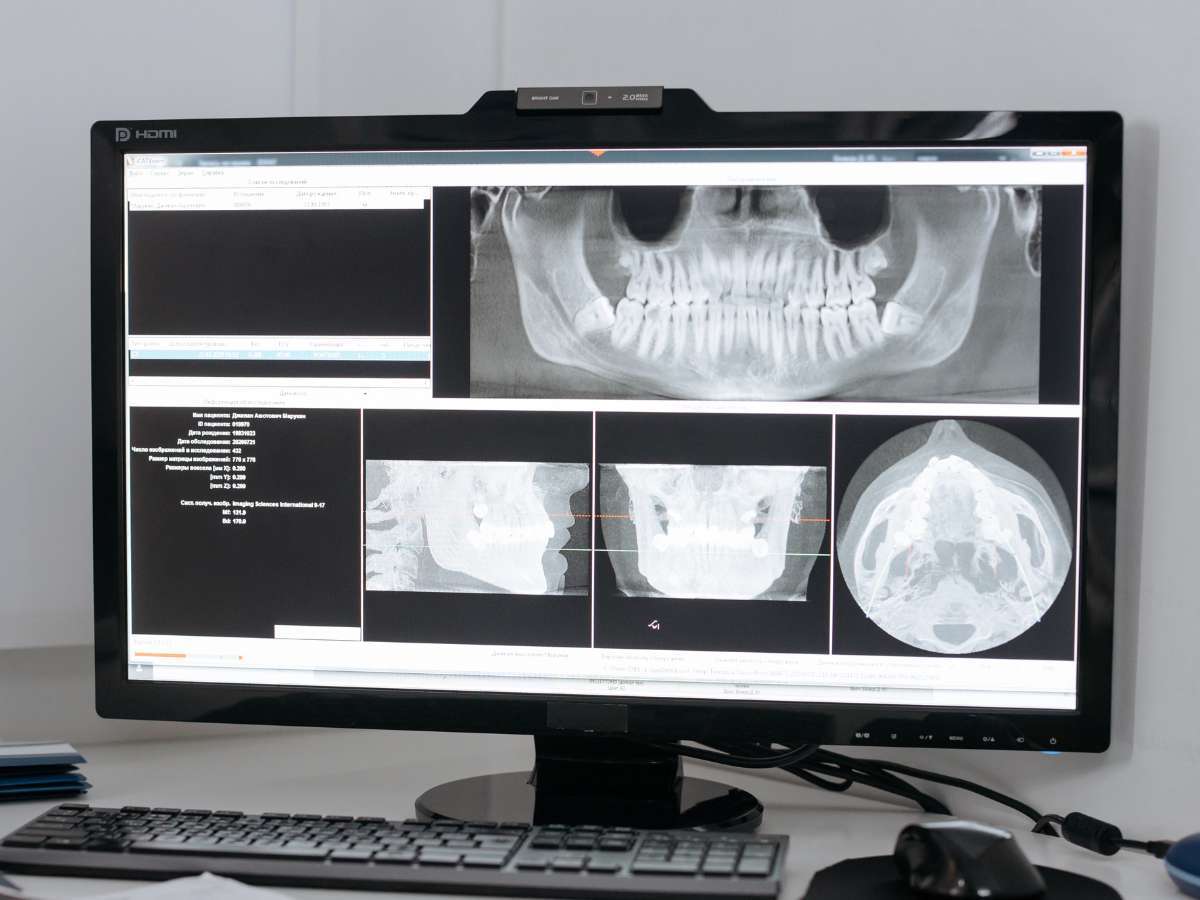
3. Key Advantages of Monochrome Cameras
Monochrome cameras have several benefits that make them a top choice for detailed and technical imaging. Below are the main advantages that highlight their strengths:
Higher Light Sensitivity
Monochrome cameras capture more light per pixel since they don’t use color filters. This extra sensitivity makes them ideal for low-light situations, helping to produce clear, sharp images when lighting is limited.
Faster Image Capture
Without the need for color filtering, monochrome cameras can capture images much faster. This speed is especially helpful in fast-moving environments, like industrial inspection or robotics, where images need to be taken quickly and continuously.
Better Detail and Contrast
Monochrome cameras excel at picking up small details and strong contrast, making them great for tasks like defect detection. By focusing on brightness and texture alone, these cameras reveal fine surface variations that might be missed by color cameras.
Works with Various Lighting Setups
Monochrome cameras are compatible with different lighting types, such as infrared (IR) or ultraviolet (UV), which can highlight specific details in certain environments. For instance, they are frequently used with IR lighting in security and monitoring applications to detect objects and movement in darkness.
4. Types of Monochrome Cameras
Monochrome cameras come in different types, each suited to specific applications and requirements. Below are the main types of monochrome cameras, along with their unique functions and uses:
USB Monochrome Cameras
USB monochrome cameras are easy to connect to computers and work with a wide range of devices. They’re great for detailed, close-up imaging and are available in various resolutions. For labs and small-scale projects, Supertek offers flexible MOQs, making USB monochrome cameras accessible for various needs.
Pros:
- Easy setup and wide compatibility
- Affordable and versatile for many applications
- Available in multiple resolutions
Cons:
- Limited data transfer speed for larger applications
- Shorter cable length restricts range

MIPI Monochrome Cameras
MIPI (Mobile Industry Processor Interface) cameras are compact and designed for fast data transfer, making them ideal for robotics and embedded systems. They excel in high-speed, real-time imaging, where capturing movement and fine details is essential.
Pros:
- Compact and lightweight, perfect for mobile devices
- Fast data transfer rates for real-time applications
- Easily integrates with single-board computers
Cons:
- Limited range due to cable length
- Compatibility primarily with specific embedded systems
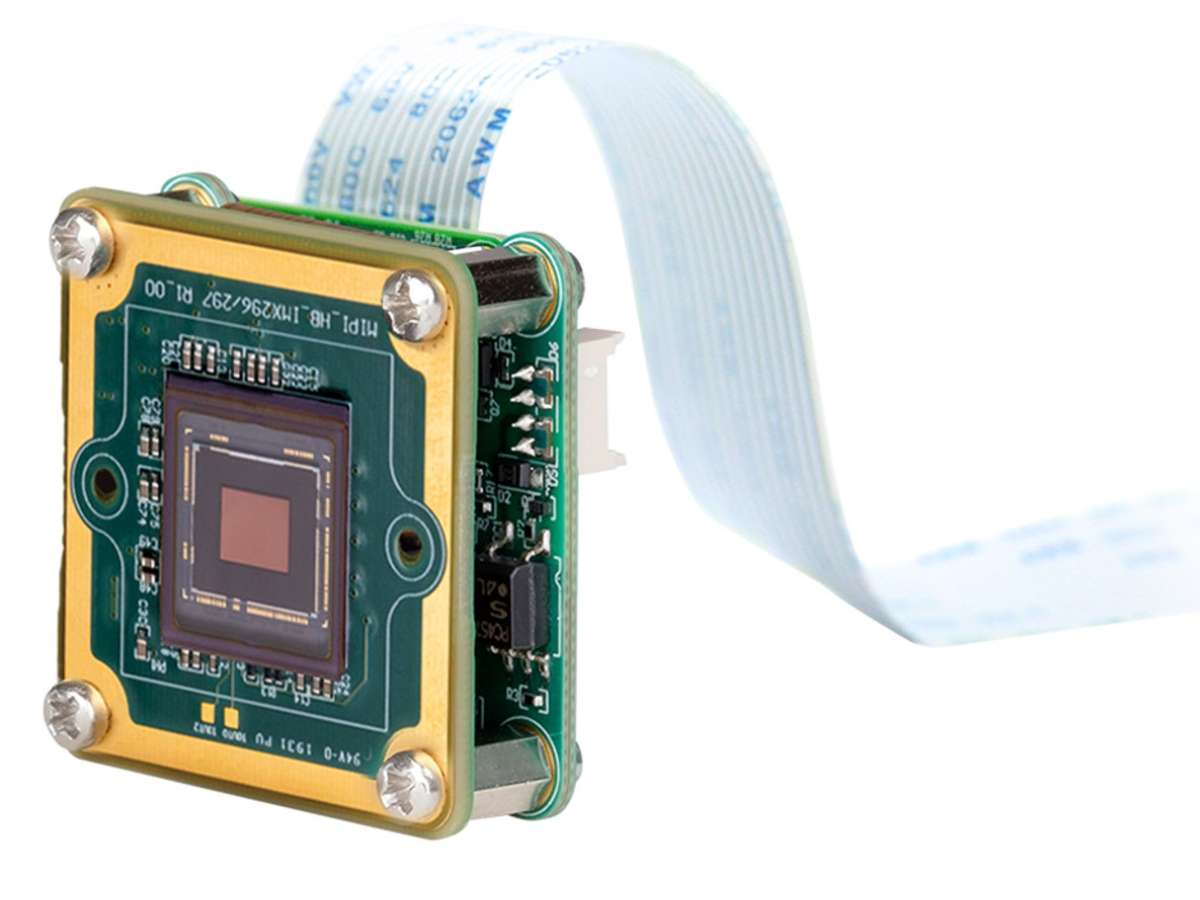
GMSL Monochrome Cameras
GMSL (Gigabit Multimedia Serial Link) cameras are designed to transmit data quickly over long distances, using coaxial cables that provide durability and reliability. They’re often used in automotive and industrial inspections where consistent, long-range imaging is key.
Pros:
- High-speed data transmission over long distances
- Durable and suitable for harsh environments
- Great for large-scale or mobile equipment inspection
Cons:
- Requires specialized coaxial cabling
- Higher cost than USB or MIPI cameras

FPD-Link Monochrome Cameras
FPD-Link (Flat Panel Display Link) cameras are known for their high-resolution, long-distance imaging, making them a strong choice in automotive and automated factory systems. They provide stable performance even in challenging conditions, often used in advanced driver-assistance systems (ADAS) and factory automation.
Pros:
- High-quality imaging over long distances
- Performs well under varying environmental conditions
- Reliable for real-time monitoring in automated systems
Cons:
- Higher initial investment
- Requires specific setup and cabling
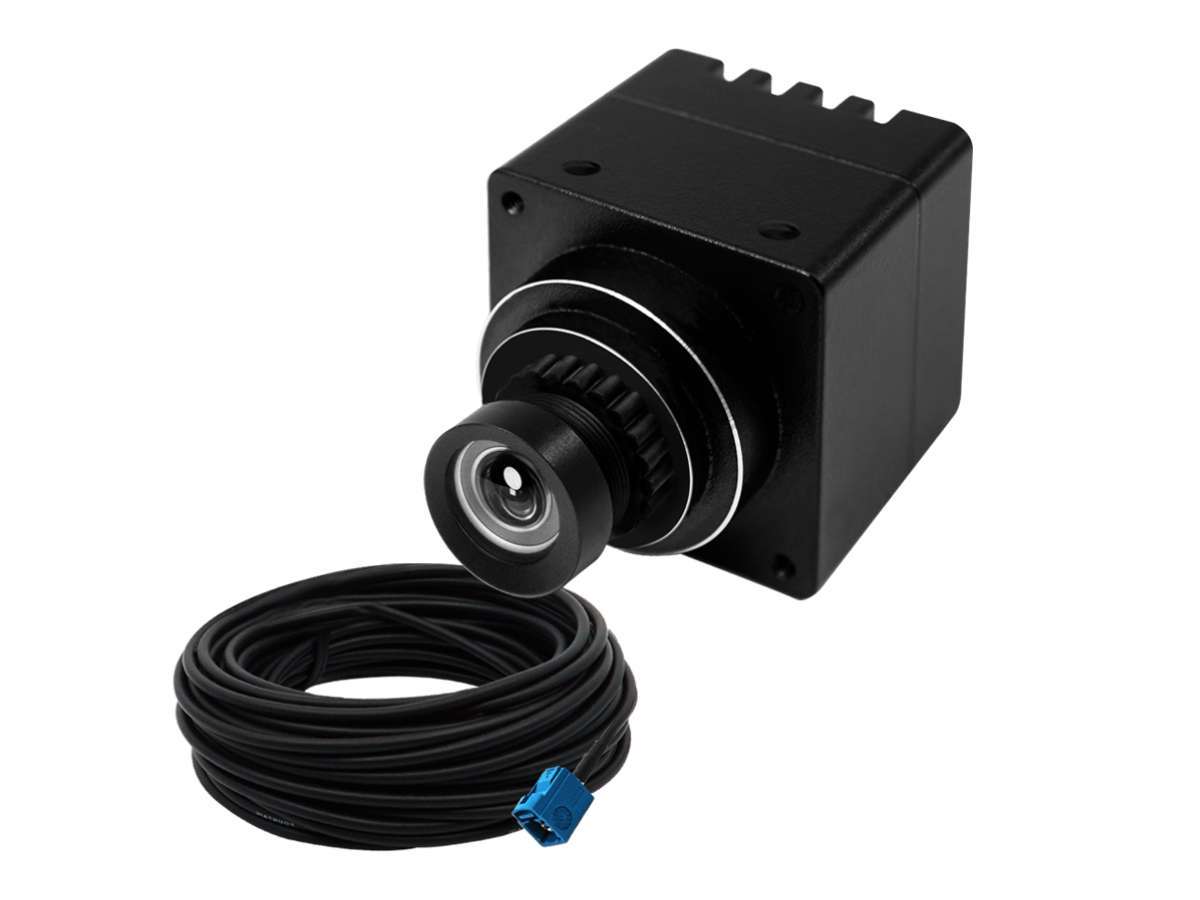
IP Monochrome Cameras
IP (Internet Protocol) cameras allow remote monitoring and control over a network, making them popular for security and surveillance. These cameras are suited for both indoor and outdoor use, providing clear, high-contrast images that capture movement or changes in a scene.
Pros:
- Remote access and control for flexible monitoring
- Ideal for indoor and outdoor security applications
- Can cover multiple areas with networked cameras
Cons:
- Network-dependent; performance may vary with internet speed
- Higher cost for advanced network configurations

5. Common Applications of Monochrome Cameras
Monochrome cameras are widely used for their ability to capture clear and detailed images. Below are some key applications with examples across various industries:
Quality Control and Inspection
Monochrome cameras help spot tiny surface defects and measure details on production lines. For example, in electronics manufacturing, they can detect flaws in circuit boards that impact performance, allowing only high-quality parts to move forward.
Medical Imaging
In medical labs, monochrome cameras capture high-resolution images of cells and tissues. They are especially useful in techniques like fluorescence imaging, where high contrast is needed to see details clearly.
Surveillance and Security
Monochrome cameras work well in low-light and night surveillance, often with infrared lighting. They capture clear, high-contrast images in dark settings, making them reliable for both indoor and outdoor security.
Robotics and Automation
Used in robotics, monochrome cameras provide sharp, real-time images for object detection and positioning. They’re essential in tasks like sorting on conveyor belts or guiding robotic arms in automated systems.
Scientific Research
In fields like astronomy and materials science, monochrome cameras capture detailed images without color interference. They’re ideal for observing subtle details, such as distant stars in astronomy or fine material variations in lab research.
6. Monochrome Cameras vs. Color Cameras
Selecting between monochrome and color cameras depends on specific project needs, as each type offers distinct benefits for different applications. Below is a detailed comparison to help clarify their strengths and suitable uses:
| Feature | Monochrome Cameras | Color Cameras |
| Image Detail | Captures sharper details, ideal for spotting small defects and textures. | Captures color but may blur fine details slightly, better for natural scenes. |
| Light Sensitivity | Higher sensitivity, great for low-light settings and dark scenes. | Lower sensitivity due to color filters; needs more light for clear images. |
| Use in Low Light | Works well in low light and pairs with infrared for night vision. | Needs extra lighting in dim conditions, suited for well-lit environments. |
| Contrast and Texture | Enhances contrast, making subtle details and textures more visible. | Colors can mask small details, making fine textures less noticeable. |
| Applications | Used in quality control, medical imaging, and robotics where detail and contrast are key. | Common in security, retail, and photography, where color differentiation is important. |
| Data Size and Processing | Smaller data size, faster processing, ideal for high-speed imaging. | Larger data size, more processing time due to color information. |
| Cost and Complexity | Generally less costly, simpler design for easy integration in technical setups. | Typically more expensive due to added color data, better for applications requiring color accuracy. |
7. 4 Tips for Choosing the Right Monochrome Camera
Selecting the right monochrome camera involves understanding the technical details that will best suit your application. Below are some key considerations to guide you in making an informed choice:
#1 Resolution Needs
Consider the level of detail required for your application. For example, a 12MP camera may be suitable for inspecting microelectronics, while a 2MP camera may suffice for general surface inspection. Higher resolution provides finer detail but also requires more storage and processing power. For dependable, high-resolution imaging, Supertek uses high-quality raw materials to meet the exacting needs of your application.
#2 Sensor Size
Sensor size directly impacts light sensitivity and field of view. Larger sensors capture more light, making them ideal for low-light environments like night surveillance. For applications like automotive inspection where details under different lighting conditions matter, a larger sensor size is often beneficial.
#3 Frame Rate
Choose a frame rate that matches the speed of your application. High-speed processes, such as robotics or conveyor belt inspection, require a higher frame rate (e.g., 60 fps) to capture moving objects without blur. For static setups, like microscopy, a lower frame rate is sufficient.
#4 Compatibility with Lighting
Consider the lighting environment and compatibility with infrared (IR) or ultraviolet (UV) lighting if needed. If you need night surveillance, a monochrome camera compatible with IR lighting will deliver clearer images in the dark. In laboratory setups, compatibility with UV lighting can enhance certain types of sample imaging.
Conclusion
In conclusion, monochrome cameras are essential for capturing clear, high-contrast images in technical and industrial applications. They provide precision and detail in areas like quality control, scientific research, and surveillance.
We hope this guide has helped you understand the benefits and uses of monochrome cameras. At Supertek, we know camera performance is a priority, especially when precise imaging is essential. Supported by our software engineers and sensor partners, we can optimize your camera to meet exact specifications. For more guidance, contact us today. Our team is ready to help you achieve the best results!
Check Out These Additional Resources
If you need more options, take a look at our full range of products. You might find just what you need:
We’ve gathered a few more articles that could help you out. Check them out for more great advice:
Still haven’t found what you’re looking for? Don’t hesitate to contact us. We’re available around the clock to assist you.