How many megapixels do I need for a security camera? In essence, a 4MP to 8MP camera is ideal for most scenarios, while 12MP or more is best for capturing fine details.
As a security camera specialist, I’m often asked about the impact of megapixels on image quality and how to choose the best resolution for different applications.
No need to overthink it—finding the right megapixel count is easier than it seems.
In this guide, we’ll explore what megapixels mean for image clarity, the benefits of higher megapixel counts, and practical tips to help you select the right resolution for your unique needs.
So let’s get started!
1. Understanding Megapixels in Security Cameras
Megapixels are often one of the first specifications people notice when evaluating security cameras, but they’re just one part of a larger picture. In simple terms, a megapixel is made up of 1 million pixels, and these pixels form the images and videos that a camera captures. The more pixels present in an image, the greater the detail the image can contain.
For security applications where identifying faces or other details is critical, understanding how megapixels contribute to image quality can help you choose the right camera. Supertek’s camera modules, for example, are designed to maximize image clarity by pairing optimal megapixel counts with high-grade sensors and components, making them suitable for a wide range of security needs.
2. Benefits of High-Megapixel Security Cameras
High-megapixel security cameras offer valuable advantages in surveillance, enhancing image clarity and functionality. Here are the key benefits that make high-megapixel cameras effective for various security applications.
Enhanced Detail for Accurate Identification
High-megapixel cameras capture images with a level of detail that lower-resolution models can’t achieve, which is especially valuable when trying to identify faces or small objects. This clarity can be critical in environments like banks, airports, or entrances where recognizing individuals or details is essential. Even in larger areas, the additional pixels allow for better visibility of critical features in the footage.
Clearer Images When Zooming In
High-megapixel cameras maintain clarity even when zooming in on distant objects or specific areas in a scene, making them effective for expansive areas. This means that details remain visible without becoming overly pixelated, helping to reveal necessary information without needing multiple cameras. Digital zooming with high-megapixel cameras doesn’t sacrifice image quality as much as it would with lower-resolution models.
Wider Area Coverage per Camera
In many setups, a high-megapixel camera can cover a larger area than lower-megapixel counterparts, reducing the number of cameras needed. This can simplify the installation process by minimizing the required equipment, wiring, and ongoing maintenance, making it ideal for budget-conscious users who still need thorough coverage.
Versatility Across Different Lighting Conditions
High-megapixel cameras often come with advanced features that enhance image quality in low-light or varying light conditions, such as HDR or WDR (Wide Dynamic Range). This makes them suitable for environments where lighting changes throughout the day or where dimly lit areas are common, like warehouses or parking structures.
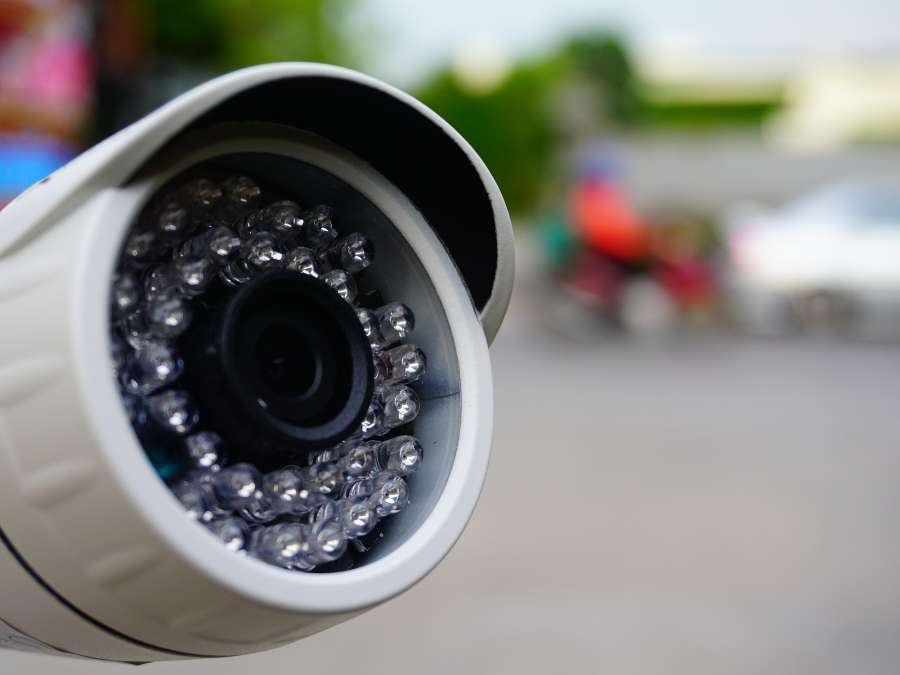
3. Common Megapixel Ranges for Security Cameras
Security cameras are available in a wide range of megapixels, each suited to different levels of detail and coverage. Here’s a breakdown of common megapixel ranges and their ideal uses.
| Megapixel Range | Description | Ideal Uses |
| 1-2 Megapixels | Entry-level resolution, best for basic observation without detailed clarity. | Small offices, store interiors, home setups |
| 3-4 Megapixels | Slightly clearer than 1-2MP, providing better image quality for general use. | Small retail spaces, offices, doorways |
| 5-8 Megapixels | Mid-range resolution, offering a good balance of detail and cost-effectiveness. Clear enough for identifying people and objects at moderate distances. | Parking lots, lobbies, entryways |
| 10-12 Megapixels | High resolution, ideal for monitoring larger areas and providing clearer detail. Useful for tasks requiring moderate facial or object identification. | Schools, larger retail spaces, warehouse floors |
| 16-20 Megapixels | High-end resolution, capturing fine detail from longer distances. Suitable for security tasks requiring high clarity, such as detailed zooming. | Large outdoor spaces, stadiums, airports |
| 24 Megapixels and Above | Ultra-high resolution, best for extensive, detail-rich monitoring and complex security needs. Often used in advanced surveillance requiring maximum detail. | Government buildings, high-security zones, city surveillance |
Selecting the correct megapixel range is essential for optimizing both coverage and budget. By matching camera resolution to your specific security needs, you can achieve effective monitoring without unnecessary expense.
4. Factors Affecting the Required Megapixel Count
Choosing the right megapixel count depends on more than just image clarity. Here are the main factors that influence how many megapixels your security camera needs.
- Size and Layout of the Surveillance Area: Larger areas require higher resolution cameras to capture sufficient detail across a wide field of view. Smaller rooms or confined areas, however, can often achieve clear monitoring with a lower megapixel count.
- Distance to Targeted Subjects: Cameras that need to capture details from far away require more megapixels to maintain image clarity at a distance. Conversely, if the camera is placed close to the area being observed, fewer megapixels may be sufficient.
- Lighting Conditions: In low-light or variable lighting, features like sensor quality and night vision play a larger role than resolution alone. Properly matching camera specs to lighting conditions helps achieve better overall image quality.
- Level of Detail Required: The purpose of surveillance also affects megapixel needs, as some tasks require more precise imagery than others.
- Network and Storage Capabilities: Higher megapixel cameras produce larger video files, which place greater demands on network bandwidth and storage space. If storage is limited or bandwidth is a concern, a lower resolution camera may be more practical.
- Budget Constraints: Beyond initial investment, high-resolution cameras also increase storage and infrastructure costs over time. Finding the right balance between necessary detail and budget limitations can help optimize your setup.
5. Tips When Choosing the Right Megapixel Count for Your Needs
Selecting the optimal megapixel count requires careful consideration of your technical needs and security objectives. Here are key tips with specific data points to help you make an informed decision.
#1 4MP to 8MP for Mid-Range Monitoring
A camera with 4MP to 8MP is generally sufficient for capturing details within 20-40 feet, making it ideal for moderately-sized spaces. This range supports clear recognition of faces or objects while maintaining manageable file sizes. It’s well-suited for parking lots, retail environments, and building entrances.
#2 12MP+ for Long-Distance Identification
For detailed identification tasks, such as facial recognition beyond 50 feet, a resolution of 12MP or higher is recommended, according to Security Force Now. For instance, this level of clarity is valuable for high-security areas that need precise detail capture at greater distances. Keep in mind that higher resolutions will require more storage and network capacity.
#3 2MP to 4MP for Low-Bandwidth Setups
When bandwidth or storage is limited, a camera in the 2MP to 4MP range can provide adequate detail without overloading resources. This resolution level is suitable for general surveillance in smaller indoor spaces where high-definition isn’t essential. It offers a practical balance for businesses with tighter infrastructure constraints.
#4 16MP+ for Large Open Areas
In extensive spaces over 100 feet, such as stadiums or expansive parking lots, 16MP or more is ideal for wide coverage. For instance, higher resolution reduces the need for multiple cameras by capturing more detail across larger fields of view. Be prepared, though, for increased storage demands due to the size of high-resolution video files.
Conclusion
Choosing the right megapixel count for your security camera setup is key to achieving the clarity and coverage your space needs. Understanding how different megapixel ranges perform and considering factors like area size, lighting, and distance can help you make an informed choice tailored to your environment.
We hope this guide provides useful insights to help you select the ideal resolution for your security needs. If you are concerned about high prices, Supertek offers camera modules that combine high-quality components with flexible customization options—at competitive rates. Contact us to discover how we can deliver quality and value for your security setup.
Dive Deeper Into Our Resources
Looking for more diverse service options? Browse through our handpicked selections:
Still haven’t found what you’re looking for? Don’t hesitate to contact us. We’re available around the clock to assist you.