How far can a security camera see? This question puzzled me for a while because I wasn’t entirely sure about the exact details of camera ranges.
To better understand it, I researched the technical details of security cameras. I also gathered insights from real-world examples and camera technicians to clarify things.
After careful research, I found that security cameras can capture clear images within a range of about 80-200 feet.
In this guide, we’ll explore how far security cameras can see, based on their design and features. You’ll also learn about different types of cameras and tips for choosing the best option for your needs.
Let’s get started!
1. Typical View Distances Based on Camera Type
Understanding the typical viewing distances based on camera types can help you determine the right fit for your needs. Let’s break down how far each type of camera can see:
| Camera Type | Typical View Distance | Resolution | Features | Primary Applications |
| Analog Cameras | ~10-20 meters | Standard (480p) | Basic clarity | Home surveillance, small indoor spaces |
| IP Cameras | ~20-50 meters | HD (720p, 1080p) | Digital zoom, night vision | Office buildings, outdoor spaces |
| PTZ Cameras | ~100-300 meters | HD to 4K | Pan-Tilt-Zoom functionality | Parking lots, large outdoor areas |
| Thermal Cameras | ~30-300 meters (environment-dependent) | N/A | Heat detection | Security in low-light or no-light environments |
| Bullet Cameras | ~20-70 meters | Full HD (1080p) | Weatherproof, narrow focus | Driveways, streets, focused outdoor areas |
| Dome Cameras | ~10-50 meters | HD to 4K | Wide-angle coverage | Indoor spaces, retail stores |
| GMSL Cameras | ~50-150 meters (system-dependent) | 4K and above | High-speed video transmission | Advanced automotive, robotics |
| Long-Range Cameras | ~1-2 kilometers | 4K and above | Motorized zoom, optical focus | Border security, long-distance monitoring |
Different security cameras cater to specific needs based on their technology and design. While some are optimized for close-range clarity, others specialize in long-range surveillance. At Supertek, we offer various camera modules to meet these requirements, offering top performance and reliability.
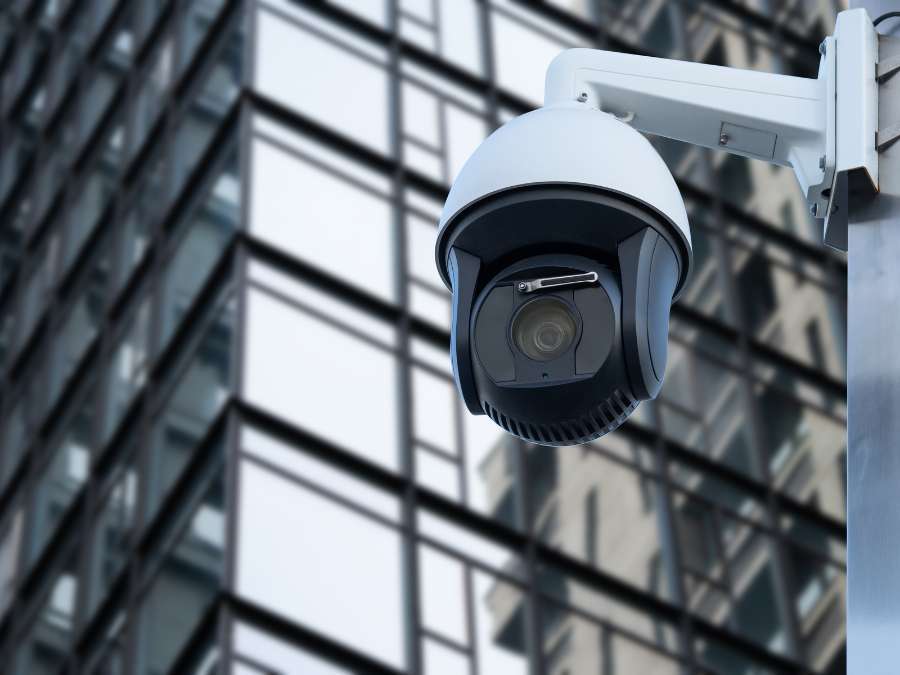
2. 5 Factors Affecting Security Camera Range
Understanding the range of a security camera is essential for selecting the right solution for your business needs. Below are the key factors that determine how effectively a camera can cover a given area:
- Image Sensor Size and Type: Image sensors convert light into electronic signals. Larger sensors like 1/2.8″ or 1/3″ capture more light for better image quality. The sensor type, such as CMOS or CCD, also impacts performance in low-light or high-contrast scenarios.
- Resolution: Higher resolutions, such as 4K or 12MP, allow cameras to capture more detail at any distance. This makes them useful for applications like facial recognition or license plate identification.
- Infrared (IR) Capability: Infrared technology enables cameras to see in total darkness by detecting heat signatures. Cameras with IR features can extend their effective range at night, often surpassing 50 meters.
- Camera Placement: The angle and height at which a camera is mounted directly affect its range. Strategic placement can maximize coverage and adapt to specific surveillance goals.
- Lighting Conditions: Natural and artificial lighting influences a camera’s range. Low-light environments can reduce visibility unless the camera has low-light optimization.
3. Practical Use Cases and Examples
Security cameras are important tools for businesses. They help monitor spaces, keep assets safe, and improve how things run. Here are some examples of how businesses use security cameras in different situations:
Parking Lots and Perimeters
For retail stores or office complexes, cameras with a range of 50 to 100 meters are ideal. For instance, a PTZ camera with optical zoom can monitor a parking lot, allowing operators to track vehicles in real time. These cameras come with weather-resistant features, making them reliable in harsh outdoor conditions.
Warehouses
A company with a 10, 000 square feet warehouse might use long-range cameras to keep an eye on daily operations. Thermal cameras are another helpful tool. These cameras can spot heat changes or equipment problems to prevent issues before they happen.
Traffic Monitoring
Government agencies often deploy cameras to monitor traffic and public spaces. For example, a municipality might use a network of PTZ cameras on busy intersections to capture license plates, detect accidents, or manage traffic flow.
Wildlife and Remote Monitoring
Cameras designed for specialized functions can also be used in wildlife observation. A conservation group may install a thermal camera with a 500-meter range to study nocturnal animal behavior in a dense forest. Similarly, oil and gas companies use high-resolution cameras to monitor pipeline infrastructure in remote locations.
Event Monitoring
Large venues like stadiums rely on high-range PTZ cameras to monitor crowds. These cameras allow operators to zoom in on specific areas for detailed observation. Their long-range capabilities are crucial for public safety in high-traffic environments.
4. Common Mistakes When Evaluating Camera Range
Evaluating camera range is critical for effective surveillance. However, businesses often make avoidable errors during this process. Below are the most common mistakes and how to avoid them:
- Choosing the Wrong Sensor Size: Smaller image sensors can struggle in low light or at long distances. Larger sensors capture more light and deliver better performance for both range and clarity.
- Overlooking Field of View: A wide field of view might not always suit applications requiring detailed, long-range monitoring. It’s important to balance the field of view with the required focus distance for optimal coverage.
- Neglecting Camera Placement: Improper camera placement, such as mounting too high or at awkward angles, can limit its range and coverage. Positioning the camera strategically maximizes both visibility and effectiveness.
- Skipping Environmental Considerations: Environmental factors like fog, rain, or dust can reduce a camera’s range. Weatherproof or specialized cameras are better suited for challenging outdoor conditions.
- Ignoring Data Transmission Needs: High-resolution cameras with long ranges generate large amounts of data, which may overload existing networks. Reviewing bandwidth and storage capabilities is essential before deploying such cameras.
5. 4 Tips for Choosing the Right Security Camera Based on Range
Selecting a security camera that matches your range needs can improve surveillance efficiency. Different features can enhance a camera’s ability to monitor specific areas. Below are key tips to consider when making your choice:
#1 With Telephoto Lenses
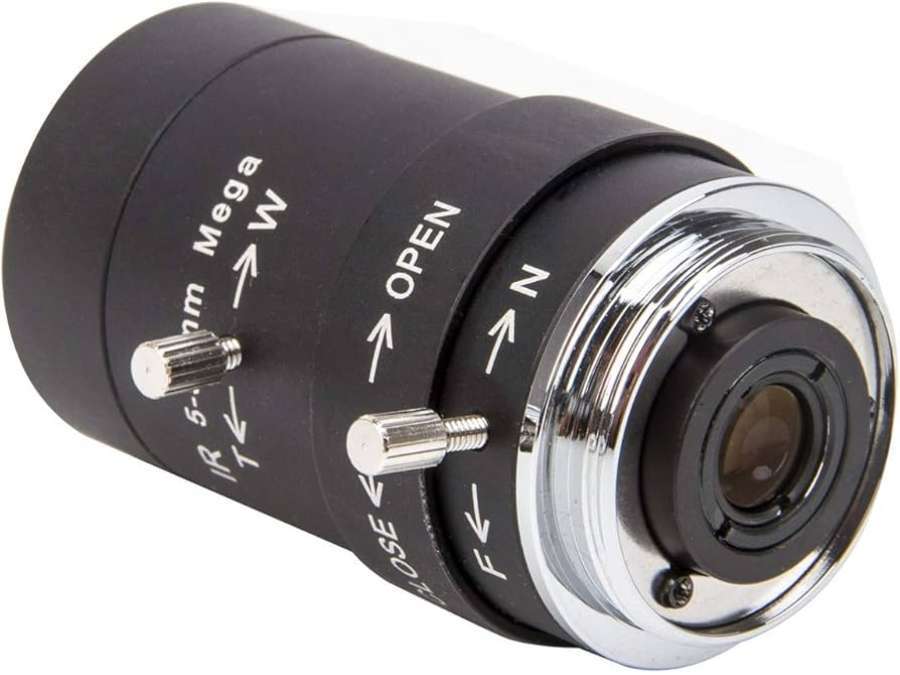
Telephoto lenses are designed to focus on objects far away, making them ideal for long-range surveillance. These lenses narrow the camera’s field of view to capture more detail at a distance, such as in large warehouses. Businesses needing precise monitoring should prioritize this feature in their camera selection.
#2 WDR Technology
Wide Dynamic Range (WDR) technology balances light levels in areas with contrasting brightness. It is helpful in locations with glare or shadows, like near windows or outdoor environments. WDR cameras provide clearer footage by enhancing visibility in uneven lighting.
#3 Cameras with Optical Zoom
Optical zoom adjusts the lens to bring distant objects closer without losing image clarity. This is useful for dynamic environments like parking lots where details at varying distances are important. Optical zoom maintains high-quality images while adapting to changing surveillance needs.
#4 IR Range Extension
Infrared (IR) range extension improves a camera’s night vision capabilities. This allows the camera to see farther in low-light environments. Cameras equipped with this feature can capture clear footage up to 50 meters in complete darkness. At Supertek, our advanced camera modules integrate customizable IR capabilities, providing exceptional night vision performance for your security needs.
Conclusion
Understanding the range of a security camera can make all the difference in choosing the right setup for your specific needs. Having the right security camera range means you can confidently monitor your area and capture the necessary details.
We hope this guide has given you clear insights into the different ranges of security cameras. If you’re looking for a reliable supplier of camera modules but find slow quotations to be a problem, consider Supertek. We work with trusted raw material suppliers to provide quotations within 48 hours, helping you save time and stay on schedule. Contact us today to discuss your requirements and experience our advantage!
Dive Deeper Into Our Resources
Looking for more diverse service options? Browse through our handpicked selections:
Still haven’t found what you’re looking for? Don’t hesitate to contact us. We’re available around the clock to assist you.