How do you know a car camera performs reliably when it counts? Testing is essential to confirm it meets the standards needed for critical tasks like capturing footage or supporting safety systems.
As an Automotive Engineer, I’ve spent years working with vehicle systems, and I know how proper testing can reveal a camera’s true capabilities.
Testing a car camera isn’t just turning it on. It’s about checking how it works in different conditions—bright sun, nighttime, or even rain—and how it fits into the car’s system. The right tests can help avoid surprises later.
This guide will show you why testing matters, what to look for, and how to check your car camera step by step. You’ll also find tips, tools, and solutions for common testing challenges.
Let’s get started!
1. Why Test a Car Camera Before Buying?
Testing a car camera before purchase is essential to confirm it meets the performance standards needed for its intended use. Factors like image clarity, low-light capabilities, and reliability in different conditions can significantly impact its effectiveness. Without testing, you risk choosing a camera that may fail when it’s most needed.
As noted in recent research, car cameras improve road safety by providing clear visual evidence that removes doubts during accident reviews. If you’re searching for dependable options, Supertek offers customized services to meet specific needs, including tailored designs and fast prototype delivery.
2. Benefits of Testing a Car Camera
Testing a car camera is an important step in confirming its performance and reliability. It helps identify potential issues before the camera is deployed, saving time and resources in the long run. The following highlights key benefits of thorough testing:
Improves Image Accuracy
Testing reveals how well the camera captures clear visuals in various conditions, like bright sunlight or low light. This is crucial for applications where sharp and detailed images are essential, such as accident analysis or driver monitoring.
Verifies Compatibility with Systems
A car camera must work seamlessly with other vehicle systems, such as ADAS (Advanced Driver Assistance Systems). Testing ensures the camera integrates properly, avoiding technical glitches during operation.
Identifies Manufacturing Defects
Even high-quality cameras can occasionally have flaws. Testing helps catch defects early, reducing the risk of deploying faulty products and preventing costly replacements or recalls.
Evaluates Durability
Car cameras are exposed to vibrations, temperature changes, and other challenges. Testing assesses how the camera holds up in demanding environments, making it easier to choose models suited for long-term use.
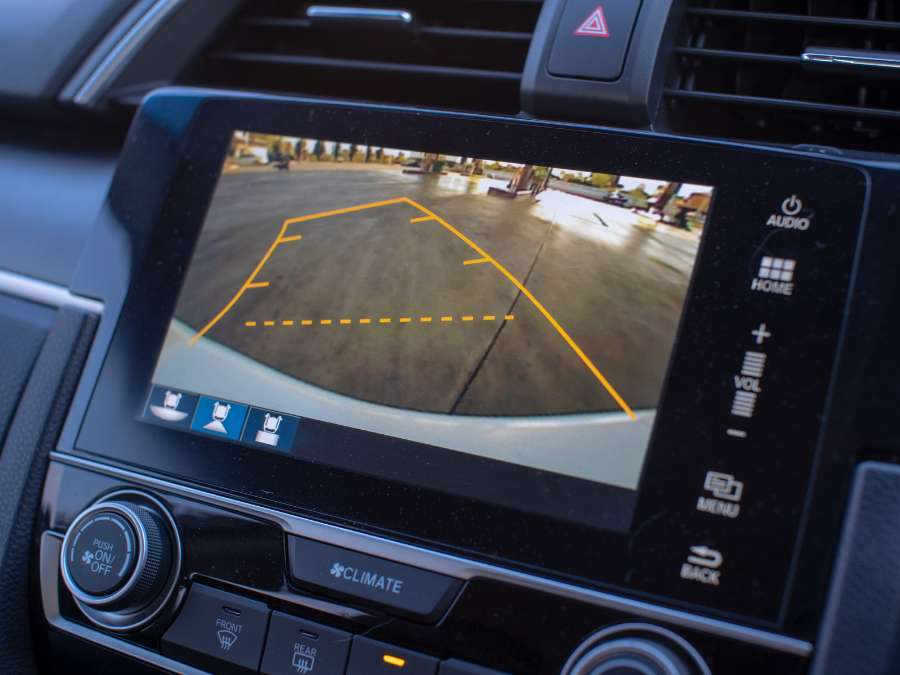
3. Key Features to Test in a Car Camera
Testing a car camera means checking its important features to confirm it works well in real-world situations. Each feature plays a role in how effectively the camera performs and fits into vehicle systems. Here are the key features to focus on:
Image Quality
The camera’s resolution, sharpness, and color accuracy determine how clear the footage looks. For instance, cameras used in traffic systems need to clearly capture license plates in both bright sunlight and shadows. Testing for blurry or pixelated images can reveal if the camera is suitable for these tasks.
Field of View
The field of view shows how much the camera captures in one frame. A wide-angle lens is ideal for reducing blind spots or covering large areas, like parking lots. However, testing should check for distortion at the edges, which could make objects appear stretched or unclear.
Low-Light Performance
Testing in dimly lit environments or at night is critical to measure the camera’s ability to capture clear visuals without noise. Features like infrared capabilities or high ISO performance can make a significant difference in low-light scenarios.
System Compatibility
The camera must function seamlessly with the vehicle’s other systems, such as recording devices or ADAS components. Testing confirms smooth communication and integration, avoiding performance issues during operation.
Durability and Reliability
Car cameras face vibrations, temperature changes, and weather exposure. Testing for durability helps confirm that the camera will perform consistently. For instance, a dashboard camera in delivery trucks must work through extreme heat, cold, or heavy rain without issues.
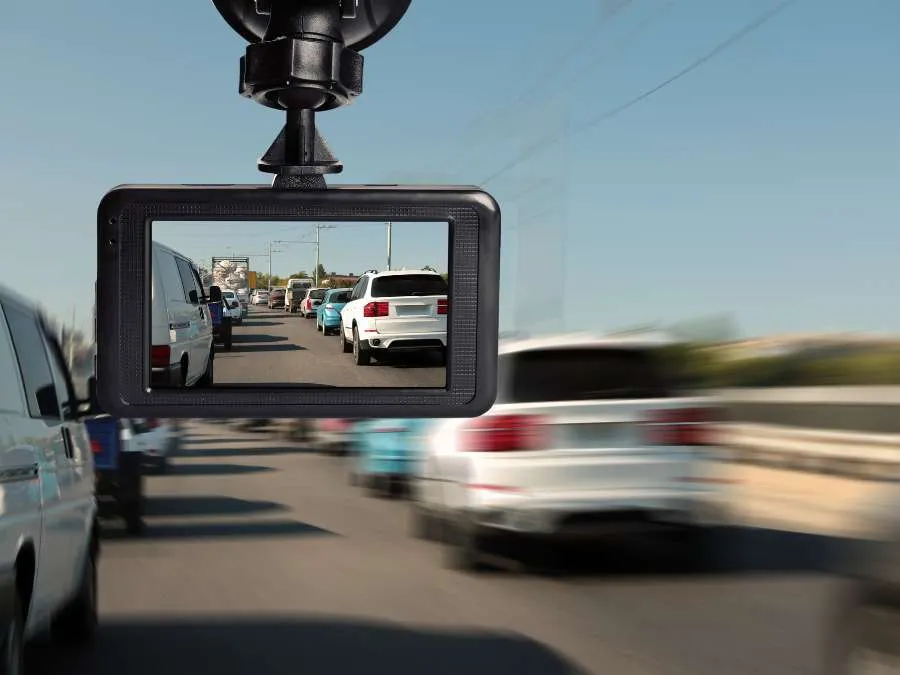
4. Recommended Tools and Equipment for Testing
The right tools make it easier to test a car camera’s performance accurately. These items help check how well the camera works in different situations and reveal any potential issues. Below are key tools for testing:
- Lightbox: Creates controlled lighting to test how the camera performs in bright, dim, or shadowy settings.
- Resolution Chart: Measures image sharpness and clarity to check for any blurriness or distortion.
- Infrared Light Source: Tests how well the camera captures details in dark conditions, like at night.
- Vibration Testing Table: Simulates the bumps and shakes of a moving vehicle to test the camera’s durability.
- System Testing Software: Verifies if the camera works smoothly with other vehicle systems, like recording or safety tools.
- Environmental Chamber: Simulates extreme heat or cold to see if the camera can handle tough weather conditions.
- Color Calibration Tool: Checks if the camera captures colors naturally and accurately.
- Waterproof Testing Equipment: Tests how the camera handles water exposure, important for outdoor or high-humidity environments.
- Field of View Tool: Measures how much area the camera can capture and checks for blind spots or warped edges.
- Playback Software: Analyzes recorded footage to review image quality and consistency.

5. Step-by-Step Guide to Conducting a Car Camera Test
Testing a car camera involves a structured process to confirm its performance and reliability for various applications. Each step focuses on critical aspects like image quality, system integration, and durability. The following outlines a step-by-step guide for testing a car camera:
Step#1 Evaluate Image Quality
The camera’s resolution and clarity should be tested in different lighting conditions, such as daylight and low light. This helps determine how well it captures details and maintains accurate color representation without distortion or noise.
Step#2 Measure Field of View
Position the camera in a vehicle setup and assess the coverage area. The test checks whether the camera captures a wide and balanced view, while avoiding excessive distortion at the edges that could impact usability.
Step#3 Assess Low-Light Functionality
Simulate low-light or nighttime environments to test the camera’s ability to capture clear images. Features like infrared or noise reduction should be examined to determine how effectively they support visibility in dim settings.
Step#4 Verify System Integration
Connect the camera to vehicle systems such as ADAS or recording setups. The test should confirm that the camera communicates seamlessly with these systems without lags or errors during operation.
Step#5 Test Durability
Subject the camera to challenging conditions, including vibrations, temperature changes, and moisture exposure. Observing its performance under these circumstances helps assess its reliability for long-term use in various environments.
6. Common Issues and Challenges During Testing
Testing a car camera can highlight problems that affect its performance. These issues may arise from design flaws, environmental factors, or compatibility challenges. The table below outlines key issues, causes, and possible solutions:
| Issue | Description | Cause | Solution |
| Image Distortion | Warping or blurring in footage, especially at the edges. | Lens quality or misalignment. | Use better lenses or adjust calibration. |
| Low-Light Issues | Grainy or unclear images in dim conditions. | Limited sensor sensitivity. | Test higher-sensitivity sensors. |
| Connection Problems | Errors or delays in data transmission. | System incompatibility. | Use compatible protocols and hardware. |
| Inconsistent Quality | Flickering or uneven image colors under different conditions. | Power fluctuations or software bugs. | Stabilize power and update software. |
| Durability Failures | Camera malfunctions in extreme temperatures or vibrations. | Weak materials or poor sealing. | Use durable materials and environmental tests. |
Identifying and addressing these issues during testing helps improve the camera’s reliability and performance for its intended use. If you’re looking for a partner that provides timely updates on production progress, Supertek is ready to support your testing and manufacturing needs.
7. 4 Tips for Conducting Accurate Tests
Accurate testing of car cameras requires technical expertise, systematic processes, and attention to key performance factors. A well-structured approach confirms the camera’s ability to meet operational demands. Below are detailed tips for effective testing:
#1 Conduct Thermal Cycling Tests
Thermal cycling tests involve exposing the camera to extreme temperature variations, such as transitioning between very hot and cold conditions. This helps determine how the camera withstands thermal stress over time. It’s essential for applications where cameras are exposed to fluctuating environmental temperatures.
#2 Perform IP (Ingress Protection) Testing
Ingress protection tests measure the camera’s resistance to dust and water. These tests confirm whether the camera can handle harsh environmental conditions like rain, splashes, or debris. IP ratings provide a clear benchmark for durability in challenging settings.
#3 Image Signal Processor (ISP) Performance
Image signal processor testing focuses on the camera’s ability to handle image data effectively. It evaluates how well the ISP adjusts to different lighting conditions, balances exposure, and maintains color accuracy. Consistent performance is critical for quality footage.
#4 Frame Rate Consistency
Frame rate testing evaluates whether the camera maintains a steady capture speed under varying scenarios. Any fluctuations in frame rate can affect the usability of recorded footage, particularly in fast-moving environments. Consistency is key to reliable performance.
Conclusion
Testing a car camera is important to check its performance, durability, and system compatibility. This guide provided key steps and tips to help manufacturers evaluate cameras for real-world use.
When it comes to sourcing reliable camera modules, quick and accurate information is vital. Slow quotations can disrupt timelines, but Supertek offers fast customization support and detailed quotes within 48 hours. Contact us today for expert guidance and solutions.
Dive Deeper Into Our Resources
Looking for more diverse service options? Browse through our handpicked selections:
Still haven’t found what you’re looking for? Don’t hesitate to contact us. We’re available around the clock to assist you.