Have you ever wondered what goes into creating a high-performing camera module? Understanding its structure reveals the complexity behind capturing clear, reliable images in diverse applications.
As a camera module expert with years of hands-on experience in the design and manufacturing processes, I can guide you through each component’s role in image quality and device functionality.
Here’s a quick look at 2 of the fundamental components:
- Lens
- Image Sensor
In this guide, you’ll get an in-depth view of each component that makes up a camera module. We’ll explore why each piece is carefully designed to achieve a specific function.
So let’s dive in!
1. Quick Reference Chart
Camera modules consist of various essential components, each serving a specific function to achieve optimal performance. Below is a chart summarizing these components, their roles, and their typical applications:
| Component | Role in the Camera Module | Common Applications |
| Lens | Captures and focuses incoming light onto the image sensor, shaping the initial image quality. | Security cameras, AR/VR devices, drones |
| Image Sensor | Converts light into electronic signals, forming the digital image data. | Automotive vision, medical imaging, robotics |
| IR Filter | Blocks infrared light to prevent color distortion and maintain color fidelity in images. | Surveillance systems, consumer electronics |
| VCM | Adjusts the lens position for precise focus control, critical for capturing sharp images. | Smartphone cameras, wearable devices |
| PCB | Houses and connects all electronic components, facilitating power distribution and signal communication. | Industrial cameras, embedded vision systems |
| Image Processor | Processes raw signals from the sensor, enhancing image quality and managing data compression. | Video conferencing, automotive dash cameras |
| Housing or Holder | Provides structural support and protects internal components from environmental damage. | Outdoor cameras, automotive cameras |
| FPC | A flexible circuit board that enables compact designs and reliable connections in tight spaces. | Wearable technology, compact IoT devices |
| Shielding | Minimizes electromagnetic interference, ensuring clear signal transmission and stable performance. | Medical devices, automotive cameras |
| Connector | Links the module to external devices, enabling data and power transfer. | USB cameras, industrial inspection systems |
By understanding each component’s role and application, you can better grasp how camera modules are designed to meet specific needs. This knowledge is invaluable for selecting the right module for any project.
2. Lens
The lens is the initial component of a camera module that captures incoming light and directs it toward the image sensor, fundamentally shaping the quality and clarity of the final image. Here are the essential elements of the lens and its role in a camera module:
Light Focusing
The lens focuses incoming light onto the image sensor, establishing the foundation for high-quality image capture. Constructed from high-grade glass or advanced plastics, Supertek’s lenses are designed to reduce optical distortions and enhance sharpness, while controlling issues like chromatic aberration. Different lens types, ranging from wide-angle to telephoto, are selected based on the module’s specific application needs.
Aperture and Exposure Control
The lens aperture, an adjustable opening, controls how much light enters the camera, directly impacting image exposure and depth of field. In applications requiring precise control, such as medical imaging or industrial inspection, a larger aperture helps enhance low-light performance, while a smaller one provides greater depth of field for detail.
Compatibility with Other Components
The lens is carefully selected and aligned with the sensor and other optical components to produce a cohesive, clear image. Specialized lenses are chosen based on specific sensor dimensions, resolution requirements, and focal distances, all of which contribute to uniform image quality. Maintaining proper lens alignment is essential to avoid issues like vignetting or uneven sharpness, which can reduce image accuracy.

3. Image Sensor
The image sensor is the core component that converts captured light into electronic signals, essentially forming the digital image that the module delivers. Here are the fundamental aspects of the image sensor in a camera module:
Types and Function
Image sensors, typically CMOS or CCD, are responsible for converting light into electrical signals and are integral to the quality and functionality of the camera module. Each sensor type has unique characteristics, with CMOS sensors often offering faster processing speeds and lower power requirements compared to CCD sensors.
Resolution and Pixel Size
The resolution, usually measured in megapixels, indicates the sensor’s ability to capture detail, while pixel size determines light sensitivity. Larger pixels enhance low-light performance, which is especially important for applications like surveillance where clear images are needed even in dim conditions. Higher resolutions, on the other hand, allow for finer detail capture, but may also require greater storage capacity and processing power.
Sensor Quality and Color Accuracy
A high-quality sensor accurately reproduces colors and minimizes noise, producing clear, realistic images. Advanced features like back-illumination technology also improve light absorption and brightness, essential in settings where accurate color rendition or low-light performance are priorities. This is particularly valuable in fields such as medical imaging or AR/VR, where color and detail are critical.

4. IR Filter (Infrared Filter)
The IR filter in a camera module serves to block out infrared light, which, if unfiltered, could distort color accuracy and degrade image quality. Here are the primary aspects of the IR filter in camera modules:
Color Fidelity Enhancement
By filtering out infrared wavelengths, the IR filter enables the image sensor to capture colors more accurately, as seen by the human eye. This function is critical in applications that demand high color accuracy, such as retail display cameras or medical imaging systems, where even slight distortions can affect usability. Infrared interference can cause colors to appear washed out or inaccurate, which the IR filter effectively mitigates.
Filter Materials and Design
IR filters are commonly made from specialized optical glass that blocks infrared light while allowing visible wavelengths to pass, ensuring seamless integration without adding excessive weight or thickness to the camera module. The optical glass is carefully engineered to prevent light scattering, ghosting, or other optical artifacts that could affect image quality.
Applications with Light Sensitivity Needs
In outdoor and high-brightness environments, infrared radiation filters are essential for maintaining image clarity, especially in scenarios with significant infrared interference. For example, security cameras operating in various lighting conditions use IR filters during the day to prevent image distortion, while some specialized cameras feature removable IR filters to switch between infrared-sensitive and visible-only modes.
The voice coil motor (VCM) is a critical component that allows precise focus adjustments in camera modules, essential for delivering sharp, clear images. Here are the main attributes of the VCM:
Precise Focus Control
The VCM provides accurate, adjustable focus by moving the lens along its axis in response to electrical signals. This mechanism enables the camera to achieve fast and stable focusing, which is crucial in applications like industrial inspection and automotive cameras that require continuous adjustments to capture moving subjects.
Durability and Low Power Consumption
Designed to operate efficiently with minimal energy, VCMs are durable and suitable for use in various demanding environments. Their low power consumption makes them ideal for battery-dependent devices, such as portable or wearable cameras, where energy efficiency is key to extending device life. VCMs are built to withstand repetitive movements, maintaining consistent focus performance over extended use.
Quiet Operation
The VCM operates with minimal noise, an advantage in settings where silence is necessary, like medical imaging or professional video recording. By using electromagnetic force to achieve movement, VCMs can make precise adjustments quietly and without creating vibrations that might otherwise affect image stability.

6. PCB (Printed Circuit Board)
The Printed Circuit Board (PCB) forms the foundation for the electronic circuitry within a camera module, connecting various components to create a fully functional unit. Here are the essential roles of the PCB:
Component Integration
The PCB houses and connects the core components, such as the image sensor, VCM, and processor, ensuring efficient communication between parts. Through meticulous layering and circuit design, it supports high-speed data transfer and manages power distribution across the module. The PCB layout also impacts heat dissipation, which is critical in avoiding overheating and maintaining stable performance.
Signal Integrity and Quality
High-quality PCBs are designed to minimize electrical noise and signal interference, which can significantly impact image clarity and processing speed. Using advanced materials and precise etching, PCBs maintain signal integrity, allowing the module to produce consistently clear and detailed images.
Durability and Heat Management
PCBs are built to withstand various environmental conditions, including temperature changes and vibrations, making them suitable for industrial and automotive uses. At Supertek, camera modules include additional heat sinks or copper layers to aid in heat dissipation, preventing component damage and prolonging the module’s lifespan.

7. Image Processor
The image processor in a camera module handles the digital signals from the sensor, processing them into a final image or video feed. Here are the key aspects of the image processor:
Image Enhancement and Quality Control
The processor adjusts brightness, contrast, color balance, and sharpness, refining the raw data to produce a clear and visually accurate image. For instance, advanced image processors also reduce noise and correct for any sensor imperfections, creating a consistent and polished final output. These enhancements are especially valuable in security and medical applications, where image clarity and detail are essential for analysis.
Data Compression and Transmission
Many image processors include compression features, reducing the file size of the image or video for faster transmission and storage. According to Red5, formats like H.265 allow for efficient data handling, which is important for devices with limited storage capacity or those relying on cloud-based storage.
Compatibility with Software and Sensors
The image processor works closely with the sensor and the device’s software, managing data according to application-specific requirements. It may support features such as facial recognition, motion detection, or low-light enhancement based on the module’s intended use. Compatibility is critical in high-performance applications like AR/VR, where the processor must handle complex computations quickly.

8. Housing or Holder
The housing or holder of a camera module provides structural support and protects sensitive components from environmental exposure and damage. Here are the core functions of the housing:
Protection and Stability
The housing encases the lens, sensor, and other components, shielding them from dust, moisture, and impact. Built from materials like metal or reinforced plastic, housings are designed to endure physical stress while maintaining the module’s alignment and structural integrity. This protection is particularly valuable in industrial and outdoor applications, where environmental exposure is high.
Thermal Management
Housing materials and design also play a role in managing heat, often incorporating features that aid in dissipating warmth generated by the module. For high-performance applications, housings may include vents or fins to allow airflow, preventing overheating that could impact functionality. Thermal management is essential for applications requiring continuous operation, as it prevents damage from heat buildup.
Customizable Design
Camera module housings can be customized to accommodate unique applications, such as compact enclosures for wearable devices or durable casings for automotive cameras. Flexibility in design is crucial for meeting specific industry standards or space constraints, especially in fields like robotics or medical imaging, where precise form factors are required.
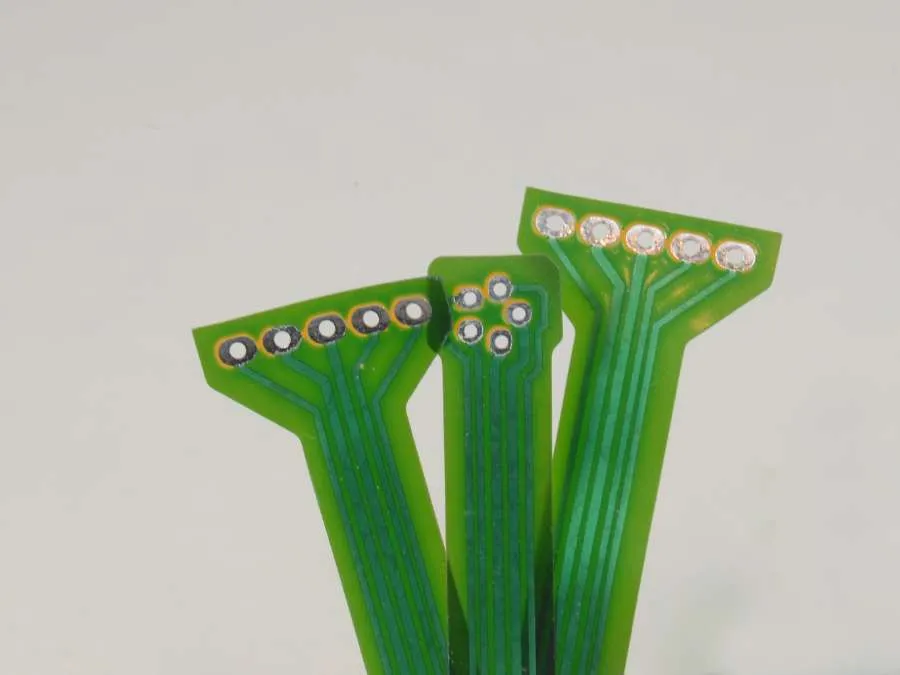
9. FPC (Flexible Printed Circuit)
The Flexible Printed Circuit (FPC) is a thin, bendable circuit board that connects components within the module, allowing flexibility in design and positioning. Here are the main attributes of the FPC:
Space Efficiency
FPCs offer a compact solution for circuit connections, enabling the construction of smaller, more lightweight camera modules. Their thin, flexible nature allows them to be folded or routed through tight spaces, which is valuable in applications like smartphones and wearable devices. FPCs help achieve minimal module dimensions without sacrificing connectivity or performance.
Enhanced Durability
Unlike rigid PCBs, FPCs can withstand bending and flexing, making them resilient under physical stress and ideal for dynamic environments. This flexibility enhances durability in applications where vibration or movement is common, such as in automotive or robotics. Additionally, the flexibility of FPCs helps reduce stress on soldered joints, decreasing the risk of component failure over time.
Reliable Connectivity
FPCs provide stable, high-quality connections for transmitting data and power between components, maintaining signal integrity despite their flexibility. High-quality FPCs also feature shielding options to minimize interference, enhancing image quality in applications like medical imaging or security. Reliable connectivity is essential for ensuring that all components function seamlessly within the module.
10. Shielding
Shielding within a camera module minimizes electromagnetic interference (EMI), protecting the sensor and other components from signal disruptions. Here are the main functions of shielding:
Electromagnetic Interference Reduction
Shielding materials, typically conductive metals, block unwanted EMI, preventing signal interference that could reduce image clarity. In environments with high electromagnetic activity, such as industrial or automotive applications, shielding is essential for capturing clear, undisturbed images. This is especially important in modules using high-frequency data transfers, where interference could otherwise degrade performance.
Thermal and Structural Support
In addition to blocking EMI, shielding can provide additional structural integrity, supporting the module’s durability in challenging conditions. Some shielding designs also assist in heat dissipation, allowing the module to maintain stable performance in high-temperature environments. This dual functionality is particularly valuable in rugged or outdoor applications where environmental control is limited.
Maintaining Image Quality
Shielding plays a role in maintaining image quality by preventing interference from impacting the sensor’s ability to capture clean images. In sensitive applications, such as medical or scientific imaging, even minor interference can distort results. High-quality shielding materials and precise installation prevent signal loss, ensuring consistently sharp, accurate images.
11. Connector
The connector in a camera module links it to external devices, allowing for data and power transmission. Here are the primary aspects of the connector:
Data and Power Transfer
Connectors provide the interface through which the camera module communicates with other devices, transmitting data and receiving power. Reliable data transfer is essential for maintaining image quality and processing speed, especially in applications with high data demands, like HD video streaming. The connector type is typically chosen to match the data needs of the application, ensuring seamless integration.
Compatibility and Adaptability
Different camera modules may use connectors like USB, HDMI, or custom designs to suit various end devices and applications. Choosing the right connector type ensures compatibility with existing hardware setups, which can simplify integration and reduce setup time. Adaptability in connector design is especially valuable in custom applications, allowing for tailored solutions that meet specific device requirements.
Durability and Security
High-quality connectors are designed for repeated use, with secure latching mechanisms to prevent accidental disconnections. This durability is critical in applications where the module experiences regular movement or handling, such as in wearable or handheld devices. Connectors are often reinforced with materials like metal casings to withstand stress, maintaining a stable connection over time.

Conclusion
Understanding the structure of a camera module is essential to selecting the right components that meet your application’s needs for image quality, reliability, and performance. By knowing the role of each part, from lenses to processors, you’re better equipped to make informed decisions for your equipment.
We hope this guide has offered valuable insights into selecting the best camera module for your application. If you’re concerned about high costs, Supertek addresses this common pain point with competitive pricing that aligns with your specific project requirements. Contact us today to discover how our customizable and cost-effective camera module solutions can support your project.
Explore More Helpful Resources
If you need more options, take a look at our full range of products. You might find just what you need:
We’ve gathered a few more articles that could help you out. Check them out for more great advice:
Still haven’t found what you’re looking for? Don’t hesitate to contact us. We’re available around the clock to assist you.