Which camera captures the clearest low-light shots? For any business working in dimly lit spaces or nighttime events, finding the best low-light camera is key to delivering stunning, sharp images.
As an experienced event photographer, finding the ideal camera for low-light settings has become second nature, ensuring high-quality results even in challenging lighting conditions.
Here is a look at some of the top cameras that are highly regarded for their low-light performance:
- Sony A7S III
- Canon EOS R6
In this guide, we will explore what makes each of these cameras suitable for low-light situations, focusing on performance, features, and why they stand out in dim settings.
So let’s dive in!
1. Quick Comparison Chart
For businesses looking to quickly evaluate the best cameras for low-light settings, this table provides a quick glance at key features and specifications. It offers an easy overview before diving deeper into each camera’s full details below.
| Camera Model | Resolution | ISO Range | Video Resolution | Autofocus System | Continuous Shooting | Battery Life (shots) | Notable Feature |
| Sony A7S III | 12.1 MP | 80–102,400 (up to 409,600) | 4K at 120fps | 759-point Fast Hybrid AF | Up to 10fps | ~510 | Exceptional low-light sensitivity |
| Canon EOS R6 | 20.1 MP | 100–102,400 (up to 204,800) | 4K at 60fps | Dual Pixel CMOS AF II, 1,053 points | Up to 12fps | ~380 | 8-stop in-body stabilization |
| Nikon Z6 II | 24.5 MP | 100–51,200 (up to 204,800) | 4K at 60fps | 273-point Hybrid AF | Up to 14fps | ~410 | Dual processors for speed |
| Fujifilm X-T4 | 26.1 MP | 160–12,800 (up to 51,200) | 4K at 60fps | 425-point phase-detection AF | Up to 15fps | ~500 | Compact, with in-body stabilization |
| Panasonic Lumix GH5S | 10.2 MP | 160–51,200 (up to 204,800) | Cinema 4K at 60fps | Contrast AF, 225 points | Up to 12fps | ~440 | Dual native ISO for video quality |
| Sony A7 III | 24.2 MP | 100–51,200 (up to 204,800) | 4K at 30fps | 693-point phase-detection AF | Up to 10fps | ~710 | Long battery life for extended shoots |
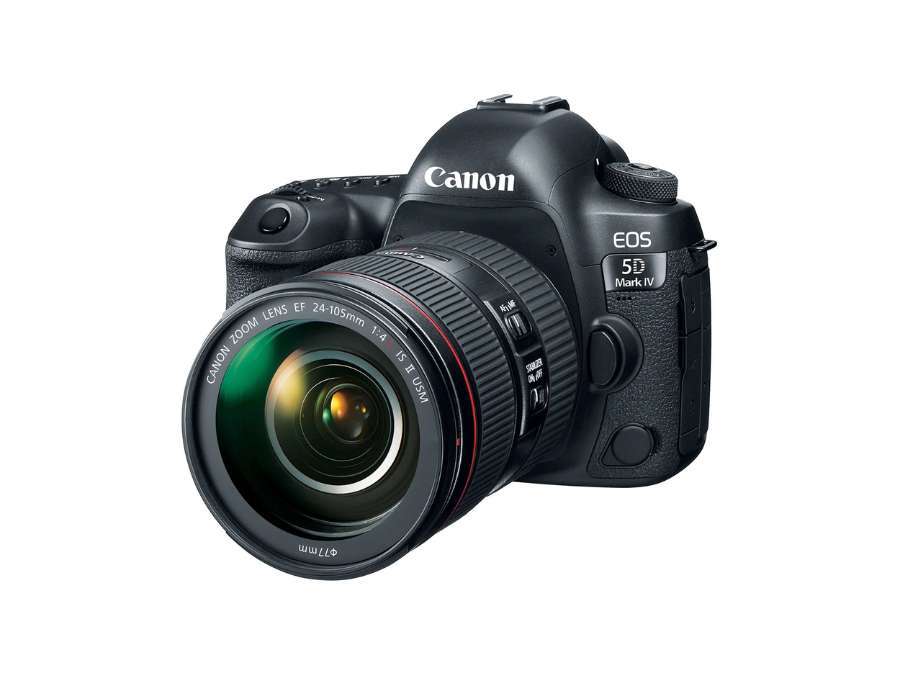
| Canon EOS 5D Mark IV | 30.4 MP | 100–32,000 (up to 102,400) | 4K at 30fps | 61-point High-Density Reticular AF | Up to 7fps | ~900 | Dual Pixel RAW for fine-tuning focus |
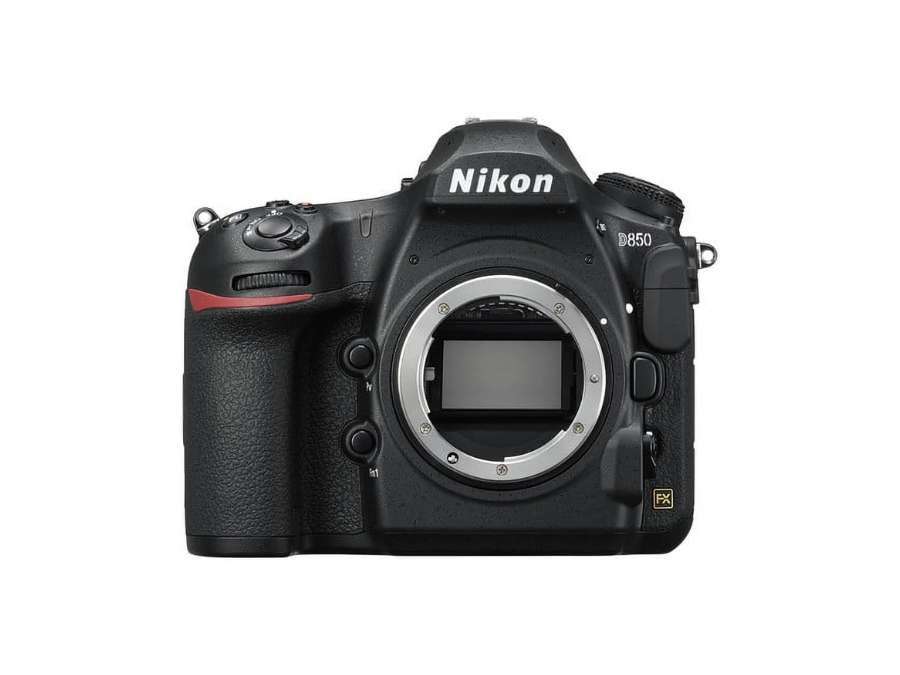
| Nikon D850 | 45.7 MP | 64–25,600 (up to 102,400) | 4K at 30fps | 153-point Multi-CAM 20K AF | Up to 7fps (9fps with grip) | ~1,840 | Ultra-high resolution for detail |
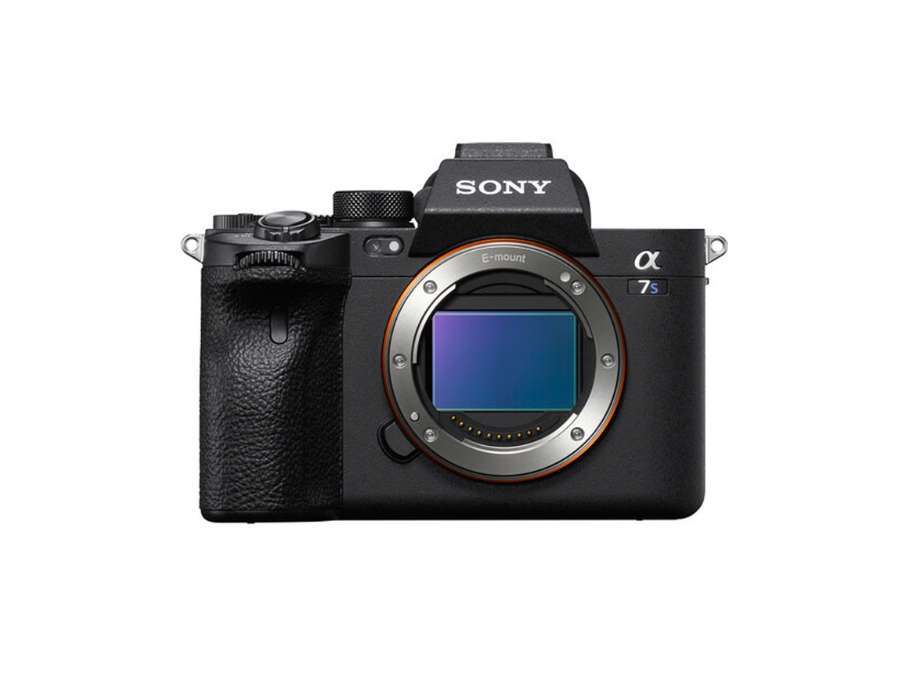
2. Sony A7S III
The Sony A7S III is known for its incredible performance in low-light conditions, making it a favorite for professionals who shoot in dark or unpredictable lighting. This camera delivers clear, bright images with minimal noise, even when light is limited. Here are some details:
Specifications:
- Resolution: 12.1 MP full-frame sensor
- ISO Range: 80–102,400 (expandable to 409,600)
- Video Capabilities: 4K recording up to 120fps
- Autofocus System: 759-point Fast Hybrid AF
- Battery Life: Up to 510 shots per charge
- Weight: 699 grams (with battery and memory card)
Features and Benefits:
| Features | Benefits |
| Advanced ISO Sensitivity | Captures clear images with low noise in dark environments |
| 4K Video at 120fps | Offers slow-motion capabilities for creative projects |
| Fast Autofocus System | Locks focus quickly, even in low light |
| Touchscreen LCD | Makes focusing and navigation simple |
| Dual Card Slots | Provides storage flexibility and security |
Takeaway Note: The Sony A7S III is ideal for businesses needing high-quality, low-light images or videos. However, its relatively low resolution (12.1 MP) may not be suitable for those requiring large, highly detailed images for print.
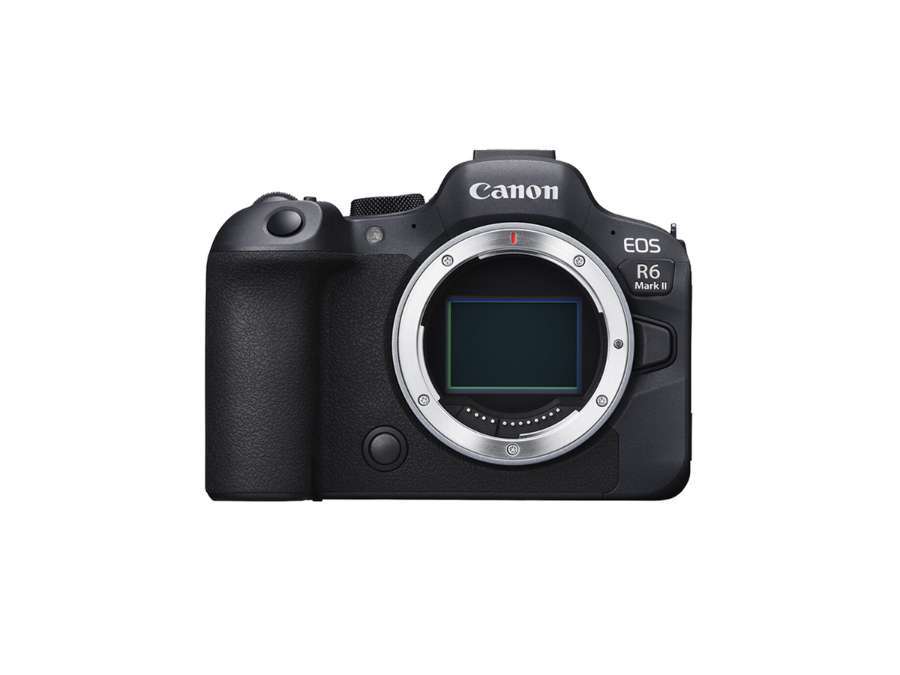
3. Canon EOS R6
The Canon EOS R6 is celebrated for its high-speed performance and low-light capabilities, making it a powerful tool for capturing sharp images in challenging lighting. This camera offers remarkable image stabilization, helping prevent blurriness when shooting handhelds in low light. Take a closer look at its details:
Specifications:
- Resolution: 20.1 MP full-frame sensor
- ISO Range: 100–102,400 (expandable to 204,800)
- Video Capabilities: 4K recording up to 60fps
- Autofocus System: Dual Pixel CMOS AF II with 1,053 AF points
- Image Stabilization: Up to 8 stops of stabilization
- Battery Life: Approximately 380 shots per charge
Features and Benefits:
| Features | Benefits |
| Dual Pixel Autofocus | Tracks moving subjects easily, even in dim light |
| 8-Stop Image Stabilization | Allows steady shots without a tripod |
| High-Speed Burst Mode | Captures fast action with up to 12fps shooting |
| Articulating Touchscreen | Simplifies framing at different angles |
| Dual Card Slots | Enables efficient file management and backup |
Takeaway Note: The Canon EOS R6 is ideal for businesses that prioritize speed and stabilization for low-light photography. However, its battery life may fall short for extended sessions without backup power.
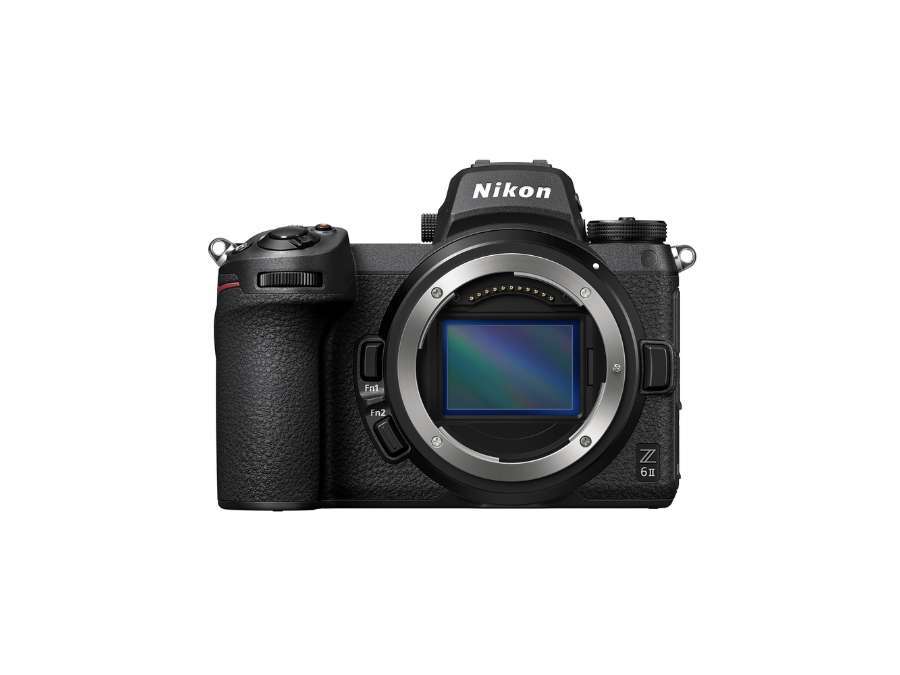
4. Nikon Z6 II
The Nikon Z6 II combines excellent low-light performance with fast, reliable autofocus, making it a great choice for various photography needs in dim settings. Its dual processor setup enhances speed and efficiency, ideal for fast-paced environments. Here’s what makes it stand out:
Specifications:
- Resolution: 24.5 MP full-frame sensor
- ISO Range: 100–51,200 (expandable to 204,800)
- Video Capabilities: 4K recording up to 60fps
- Autofocus System: 273-point Hybrid AF
- Continuous Shooting: Up to 14fps
- Battery Life: Approximately 410 shots per charge
Features and Benefits:
| Features | Benefits |
| Dual EXPEED 6 Processors | Speeds up performance for quick and reliable captures |
| Hybrid Autofocus System | Maintains focus on subjects, even in low-light scenarios |
| In-Body Image Stabilization | Reduces blurring in handheld shots |
| Weather-Sealed Body | Allows shooting in various weather conditions |
| Dual Card Slots | Offers storage versatility and backup security |
Takeaway Note: The Nikon Z6 II is ideal for businesses needing a balanced mix of low-light performance and fast autofocus. However, its autofocus system may not perform as well in extremely low light compared to other models designed specifically for that purpose.
5. Fujifilm X-T4
The Fujifilm X-T4 is a versatile mirrorless camera that combines impressive image quality with strong low-light performance. Its advanced in-body stabilization helps deliver clear images, even in less-than-ideal lighting. Take a look at its key highlights:
Specifications:
- Resolution: 26.1 MP APS-C sensor
- ISO Range: 160–12,800 (expandable to 51,200)
- Video Capabilities: 4K recording up to 60fps
- Autofocus System: 425-point phase-detection AF
- Continuous Shooting: Up to 15fps with mechanical shutter
- Battery Life: Approximately 500 shots per charge
Features and Benefits:
| Features | Benefits |
| In-Body Image Stabilization | Allows sharp shots without a tripod |
| Compact, Weather-Resistant Build | Suitable for diverse shooting locations |
| Film Simulation Modes | Adds creative color effects for unique visuals |
| Fast Shutter Response | Ideal for capturing action without lag |
| High-Capacity Battery | Supports longer shooting sessions without frequent charging |
Takeaway Note: The Fujifilm X-T4 is a good choice for businesses needing a compact camera with low-light and creative features. However, its APS-C sensor may not capture as much detail as a full-frame sensor in extremely low-light conditions.

6. Panasonic Lumix GH5S
The Panasonic Lumix GH5S stands out for its low-light video capabilities, making it an excellent choice for videographers working in dim environments. Its high sensitivity and dual native ISO allow for clear video quality with minimal noise. Let’s explore its essential details below:
Specifications:
- Resolution: 10.2 MP Micro Four Thirds sensor
- ISO Range: 160–51,200 (expandable to 204,800)
- Video Capabilities: Cinema 4K recording up to 60fps
- Autofocus System: Contrast-detection AF with 225 focus points
- Frame Rate Options: Up to 240fps in Full HD
- Battery Life: Approximately 440 shots per charge
Features and Benefits:
| Features | Benefits |
| Dual Native ISO | Maintains image clarity in low-light scenes |
| V-LogL Support | Provides enhanced color grading flexibility for videos |
| Timecode In/Out Sync | Ideal for multi-camera setups in professional shoots |
| Lightweight, Compact Body | Suitable for handheld and on-the-go filming |
| High Frame Rate Recording | Creates smooth slow-motion effects in Full HD |
Takeaway Note: The Panasonic Lumix GH5S is ideal for businesses focused on low-light video work. However, its lower resolution (10.2 MP) may limit its effectiveness for high-resolution photography needs.

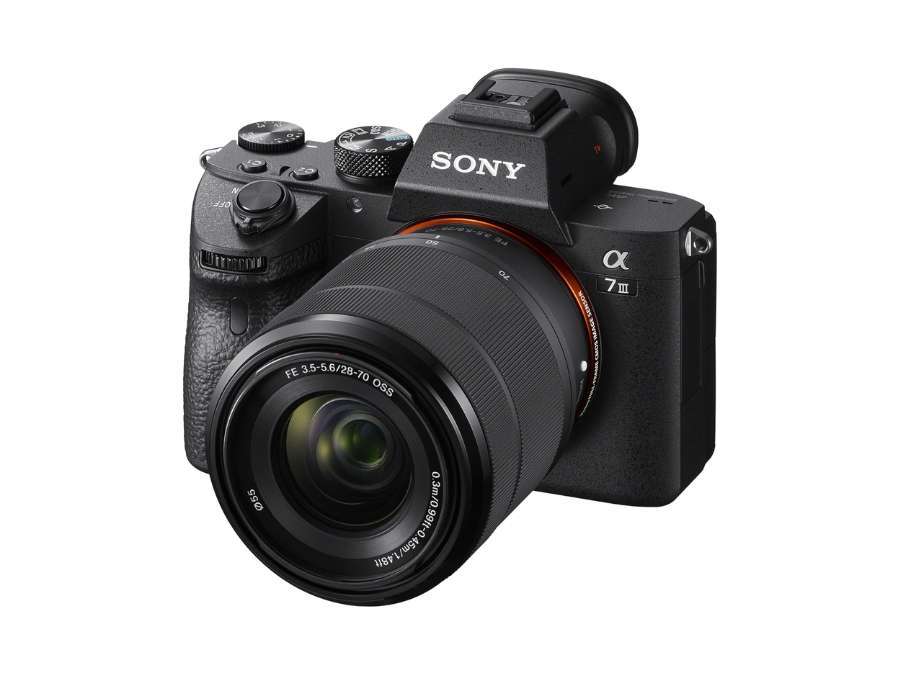
7. Sony A7 III
The Sony A7 III is well-regarded for balancing low-light performance and high image quality, making it a versatile choice for photographers and videographers alike. Its strong autofocus and battery life also add to its appeal for longer shooting sessions. Let’s dive into its highlights:
Specifications:
- Resolution: 24.2 MP full-frame sensor
- ISO Range: 100–51,200 (expandable to 204,800)
- Video Capabilities: 4K recording up to 30fps
- Autofocus System: 693-point phase-detection AF
- Continuous Shooting: Up to 10fps
- Battery Life: Approximately 710 shots per charge
Features and Benefits:
| Features | Benefits |
| Advanced Autofocus System | Tracks fast-moving subjects with ease, even in low light |
| Long Battery Life | Supports extended shooting sessions without frequent recharging |
| Dual Card Slots | Offers backup storage for critical files |
| In-Body Image Stabilization | Helps capture sharp images when shooting handheld |
| Compact, Ergonomic Design | Comfortable for prolonged use, especially in on-site shoots |
Takeaway Note: The Sony A7 III is ideal for businesses needing a balance of low-light capabilities and battery life for lengthy projects. However, it lacks higher-end video frame rates, which may limit its appeal for professional videographers focusing on high-speed footage.
8. Canon EOS 5D Mark IV
The Canon EOS 5D Mark IV is known for delivering high-resolution images and reliable performance in various lighting conditions. This DSLR combines a powerful sensor with advanced autofocus, making it a dependable choice for professional photographers. Here’s an overview of its capabilities:
Specifications:
- Resolution: 30.4 MP full-frame sensor
- ISO Range: 100–32,000 (expandable to 50–102,400)
- Video Capabilities: 4K recording at 30fps
- Autofocus System: 61-point High-Density Reticular AF
- Continuous Shooting: Up to 7fps
- Battery Life: Approximately 900 shots per charge
Features and Benefits:
| Features | Benefits |
| High-Resolution Sensor | Delivers detailed, high-quality images |
| Versatile ISO Range | Performs well in both bright and dim lighting |
| Built-In GPS | Tracks location for field photographers |
| Large Optical Viewfinder | Provides a clear, accurate framing view |
| Durable Build | Designed to handle demanding professional use |
Takeaway Note: The Canon EOS 5D Mark IV is ideal for businesses looking for a high-resolution, versatile camera for detailed photography. However, its video capabilities lack some of the more advanced options, which may not fit all professional video requirements.
9. Nikon D850
The Nikon D850 is highly regarded for its exceptional image quality and low-light performance, offering a mix of high resolution and dynamic range. Its fast focus and versatile features make it well-suited for capturing detailed shots even in challenging lighting. Let’s explore what it offers:
Specifications:
- Resolution: 45.7 MP full-frame sensor
- ISO Range: 64–25,600 (expandable to 32–102,400)
- Video Capabilities: 4K recording at 30fps
- Autofocus System: 153-point Multi-CAM 20K AF
- Continuous Shooting: Up to 7fps (9fps with battery grip)
- Battery Life: Approximately 1,840 shots per charge
Features and Benefits:
| Feature | Benefit |
| Ultra-High Resolution | Ideal for large, detailed prints |
| Wide Dynamic Range | Captures details in both bright and dark areas |
| Flexible ISO Performance | Adapts to various lighting conditions |
| Focus Stacking Mode | Enhances depth of field for complex shots |
| Weather-Sealed Body | Suitable for challenging outdoor environments |
Takeaway Note: The Nikon D850 is ideal for businesses needing a high-resolution camera for intricate, detail-rich images. However, its larger file sizes can require substantial storage and processing power.
Need a Camera Module for Low-Light Conditions?
For those looking for specialized camera setups beyond the typical low-light cameras discussed above, a custom camera module may offer the flexibility needed to meet specific low-light challenges. Camera modules can provide tailored solutions that adapt to unique requirements, enhancing performance in dim environments while offering versatile features suited for specialized applications.
Consider the Supertek 2.0MP Fixed Focus Low Light HDR Camera Module-IMX307. This module features the IMX307 CMOS image sensor, delivering 2.0-megapixel resolution at 30 fps. It boasts high sensitivity and minimal dark current, making it suitable for surveillance and industrial applications. We offer customization options to align with your specific requirements, ensuring a reliable and high-quality solution.
Explore how Supertek’s camera modules can enhance your low-light capabilities today!
Conclusion
In low-light photography, selecting the right camera is essential for achieving clear, sharp images without unwanted noise. This guide explored some of the top-performing cameras specifically designed to handle dim lighting, offering options that meet a range of needs, from high sensitivity to advanced autofocus systems.
We hope this guide has helped you explore the best low-light camera options. If you need a more tailored solution but are facing high costs or long wait times elsewhere, Supertek offers customized camera modules with competitive pricing and fast quotations, typically provided within 48 hours. Contact us to discuss how we can support your low-light photography needs with quality and efficiency.
Dive Deeper Into Our Resources
Looking for more diverse service options? Browse through our handpicked selections:
Still haven’t found what you’re looking for? Don’t hesitate to contact us. We’re available around the clock to assist you.