USB Camera Module Manufacturer for Custom OEM Vision Projects
Supertek manufactures customized camera modules for OEM devices, embedded vision systems, kiosks, industrial equipment, medical devices, security products and IoT applications.
Get hardware, firmware, lens, PCB, cable, connector and interface support from sample development to batch production.
What Should a USB Camera Module Manufacturer Help You Confirm?
A suitable USB camera module manufacturer should help you check more than resolution and price.
For an OEM project, the supplier should review the sensor, USB interface, frame rate, output format, lens and field of view, PCB size, cable, connector, UVC behavior, host system, software environment, sample validation needs, and production requirements.
The goal is not only to find a camera board that can capture an image. The right module should fit your device structure, software environment, image target, testing process, and production plan.
Before You Ask for a Quote
- Target application or device type
- Required resolution and frame rate
- USB 2.0 or USB 3.0 preference
- Host platform and operating system
- Lens, FOV and focus requirement
- PCB size or mechanical drawing
- Cable length and connector type
- Sample quantity and production estimate
Choose a USB Camera Module Direction
Based on Your Project

USB 2.0 Camera Modules
USB 3.0 Camera Modules
Custom USB Camera Modules
How to Choose the Right USB Camera Module
Do not choose a USB camera module by resolution alone. For an OEM device, the right module depends on the image target, interface bandwidth, host platform, software environment, lens, working distance, board size, cable route, connector, and validation plan.
If you are not sure which model to start with, send your application requirements first. Supertek can review whether an existing USB module or a custom direction is more suitable.
| Decision Point | What to Check | Why It Matters |
|---|---|---|
| Resolution | VGA, 720p, 2MP, 5MP, 8MP, 12MP, 4K or higher | Affects image detail, bandwidth, storage, processing load, and cost. |
| Frame Rate | 15fps, 30fps, 60fps or higher | Important for motion capture, scanning, robotics, inspection, and user experience. |
| USB Interface | USB 2.0 or USB 3.0 | Affects bandwidth, cable design, host compatibility, and system stability. |
| Sensor | Available sensor options based on image target and supply plan | Affects image quality, low-light behavior, dynamic range, availability, and price. |
| Lens / FOV | Fixed focus, autofocus, wide-angle, M12 lens, working distance | Determines whether the camera can capture the right area at the right distance. |
| UVC / Driver | UVC behavior, OS support, capture software, image controls | Reduces integration risk when the module is validated with the target host system. |
| PCB / Mechanics | Board size, mounting holes, height limit, enclosure space | Determines whether the module can fit into the final product. |
| Cable / Connector | Cable length, connector type, route, shielding, assembly space | Affects installation, signal stability, and production assembly. |
| Sample Validation | Sample quantity, test environment, image target, production estimate | Helps confirm whether the module is suitable before mass production. |
USB Camera Module Product Range
2MP USB Camera Modules
A practical option for standard image capture, compact devices, access terminals, scanners, smart hardware, and cost-sensitive OEM projects.
5MP USB Camera Modules
Suitable for projects that need more image detail than basic low-resolution modules while still keeping the system design manageable.
8MP / 4K USB Camera Modules
A better starting point for projects that require higher image detail, larger capture areas, or clearer visual output.
12MP USB Camera Modules
USB 2.0 Camera Modules
USB 3.0 Camera Modules
Custom USB Camera Module Support for OEM Devices
If an existing USB camera module does not fit your device, the project may need review across optical, mechanical, electrical, firmware, and production requirements.
Customization should be discussed against your target device, host platform, mechanical space, optical requirements, sample plan, and production conditions. Send your application details first so Supertek can check whether a standard module or a custom direction is more suitable.
Sensor Review
Lens & Field of View
PCB & Mechanical Fit
Cable & Connector
Firmware / UVC Behavior
Sample Validation
USB 2.0, USB 3.0 or Another Camera Interface?
| Interface | Better Fit | What to Confirm |
|---|---|---|
| USB 2.0 | Standard image capture, cost-sensitive devices, and common embedded vision applications. | Resolution, frame rate, output format, cable design, and actual system performance. |
| USB 3.0 | Higher resolution, higher frame rate, and larger data throughput projects. | Host support, cable, connector, thermal conditions, output format, and software capture behavior. |
| MIPI | Compact embedded devices connected directly to a processor or main board. | Platform support, driver work, hardware layout, and software integration resources. |
| GMSL / FPD-Link | Longer transmission distance or system-level vision projects. | Cable distance, synchronization, system architecture, signal stability, and integration plan. |
USB Camera Modules for OEM and Embedded Vision Applications
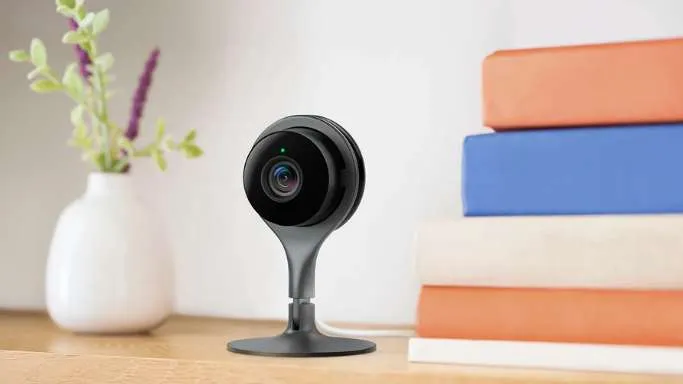
Security & Monitoring
Industrial Automation
Robotics
Smart Devices
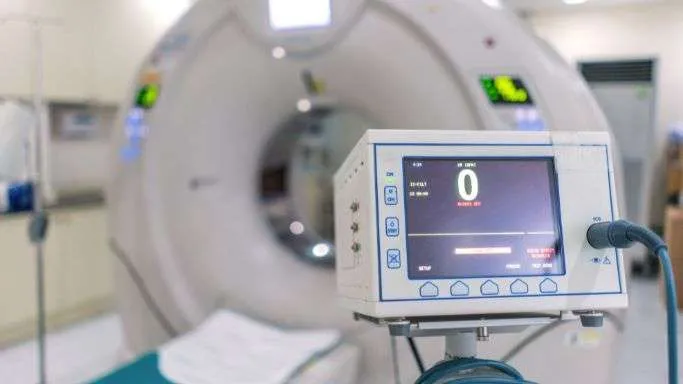
Scanner & Document Capture
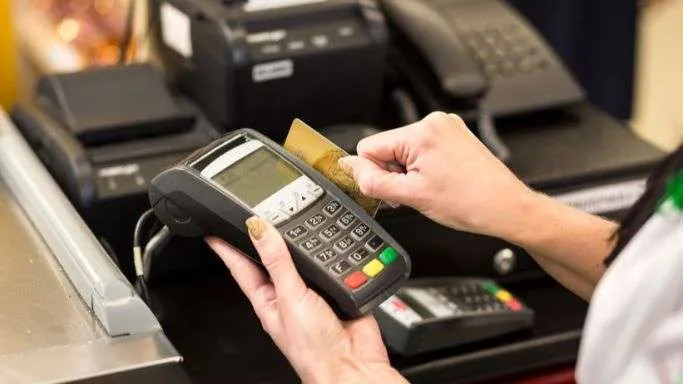
Kiosk & Access Control
Frequently Asked Questions About USB Camera Module Manufacturing
Lorem ipsum dolor sit amet, consectetur adipiscing elit. Ut elit tellus, luctus nec ullamcorper mattis, pulvinar dapibus leo.
Lorem ipsum dolor sit amet, consectetur adipiscing elit. Ut elit tellus, luctus nec ullamcorper mattis, pulvinar dapibus leo.
Lorem ipsum dolor sit amet, consectetur adipiscing elit. Ut elit tellus, luctus nec ullamcorper mattis, pulvinar dapibus leo.
Lorem ipsum dolor sit amet, consectetur adipiscing elit. Ut elit tellus, luctus nec ullamcorper mattis, pulvinar dapibus leo.
Lorem ipsum dolor sit amet, consectetur adipiscing elit. Ut elit tellus, luctus nec ullamcorper mattis, pulvinar dapibus leo.
Lorem ipsum dolor sit amet, consectetur adipiscing elit. Ut elit tellus, luctus nec ullamcorper mattis, pulvinar dapibus leo.
Lorem ipsum dolor sit amet, consectetur adipiscing elit. Ut elit tellus, luctus nec ullamcorper mattis, pulvinar dapibus leo.